The Ancient and Modern Suzhou

Tour boat along the Ping Jiang Road canal
Suzhou in Brief

There are many reasons to visit the suburban water town of Suzhou.  It’s where In 1272, Marco Polo stopped by and added it to his top 5 list of the most beautiful cities in China. This merchant city still holds its place as one of China’s trade and manufacturing centers.  This began back before Marco Polo hit its streets. Suzhou hasn’t changed much. It is a bustling merchant city that produces some of the finest silk cloth and is also become China’s largest producers of high-tech products. The factory stacks of the nearby industrial parks push out laptops, pharmaceuticals, and mobile phone parts daily in areas which was built on some of the most fertile farm lands of the Yangtze delta. At least there’s still some places being well taken care of that allow visitors to see what others like Marco Polo have witnessed through the centuries.

I decided that Suzhou was a perfect place to get a break from the busy city of Shanghai since its only a short ride on the High speed rail and is on the UNESCO list. It is a popular tourist destination so going on the train at off-peak times and during the week seemed to be the best thing to do. The city has countless things to see but I chose to make a realistic itinerary and decided on quality over quantity. The three attractions that seemed perfect to see well in a day were the Suzhou Museum, the Humble Administrator’s Garden and Ping Jiang Street area.

Old Suzhou and what is left

The Suzhou Museum
Koi Pond in the Suzhou Museum by Cori B (farflungistan) on 500px.com

The Suzhou Museum is the modern addition to the cities landscape. This modern structure combines the styles of traditional Suzhou with stylistic elements characteristic of Award-winning Chinese-American architect I.M. Pei. He was born in Guangzhou and spent summers in Suzhou as a child. He accepted the invitation to design this museum since this enabled him to give back to a city where he had spent some of his youth.

The Suzhou Museum interior has a distinct flow. The elements such as the triangular rock mountain peaks in the traditional garden and the large Chinese window in the Wisteria Tea Room both show his intentions of connecting the ancient and the modern Suzhou and China for that matter. His signature use of light and glass is at it’s best here. The museum alone is a work of art and amazing to see in person.15,000 items are on display almost take second stage to the building itself. The objects inside include ancient paintings, calligraphy filled scrolls, colorful snuff bottles, ceramics and other Song, Ming and Qing Dynasty relics unearthed in China.

Admission: FREE
Hours: 9am-5pm (no admission after 4pm)

The Humble Administrator’s Garden

The Humble Administrator's Garden In Suzhou

Next to the Suzhou Museum lies the Humble Administrator’s Garden. It’s difficult to choose which one of the dozens of pleasant rock and water filled gardens in the area but this one is the largest and is close to Ping Jiang Street.

This large garden is also a World Heritage site. It’s known to the locals as Zhuōzhèng Yuán. The viewing of this garden is best later in the afternoon when the sun sets over the western water gardens and the picturesque octagonal Beisi Pagoda can be viewed clearly through the trees. The tour groups are now on the bus and have hit the road which gives photographers a better chance of getting non-obstructed shots in the warm evening light.

Admission: 50 RMB (Off season) and 70 RMB (Peak season)
Hours: 7am – 5:30pm (put aside a couple of hours to view. Best at dusk)

These two destinations plus a walk or boat ride along the pedestrian street Ping Jiang Lu can fill an entire day.

The Ping Jiang Road District

Along Ping Jiang Road In Suzhou

Ping Jiang District, with its restored white walls and monocle bridges that crisis-cross the canals, gives visitors an idea of what Marco Polo was referring to in his memoirs.

It was just as I imagined it to be. It’s a place where people come to get professional engagement pictures taken. Many couples can be seen wearing traditional and not so traditional costumes and posing for the camera on near by bridges and scenic walkways.

For visitors, the numerous alleyways and streets are perfect for getting lost in and escaping the masses for a bit. Come here to wonder the alleyways and view the Venice of the East from inside a gondola boat if there is time. This is also a lovely spot to grab over-priced drink, people watch and be observed by the locals and their pets. I almost wish we missed our train and had to spend the night.

Rock garden inside the Suzhou Museum

Wisteria Tea room inside the Suzhou Museum

The Humble Administrator's Garden In Suzhou

The Humble Administrator's Garden In Suzhou

Music shop on Ping Jiang Road

Canals Along Ping Jiang Road In Suzhou

Four Years and Seven Days Ago and I’m back in Shanghai

20120513-194555.jpg

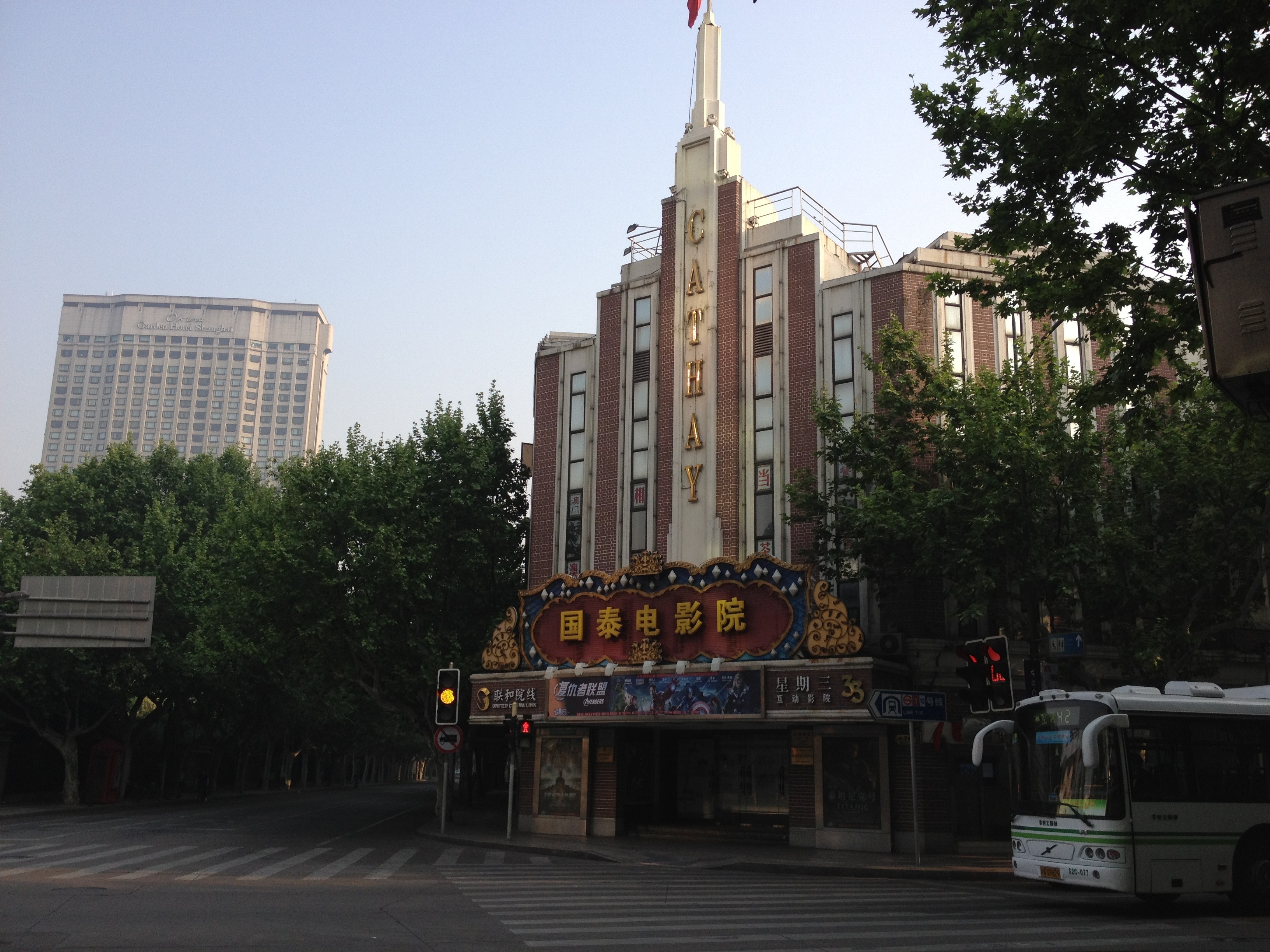
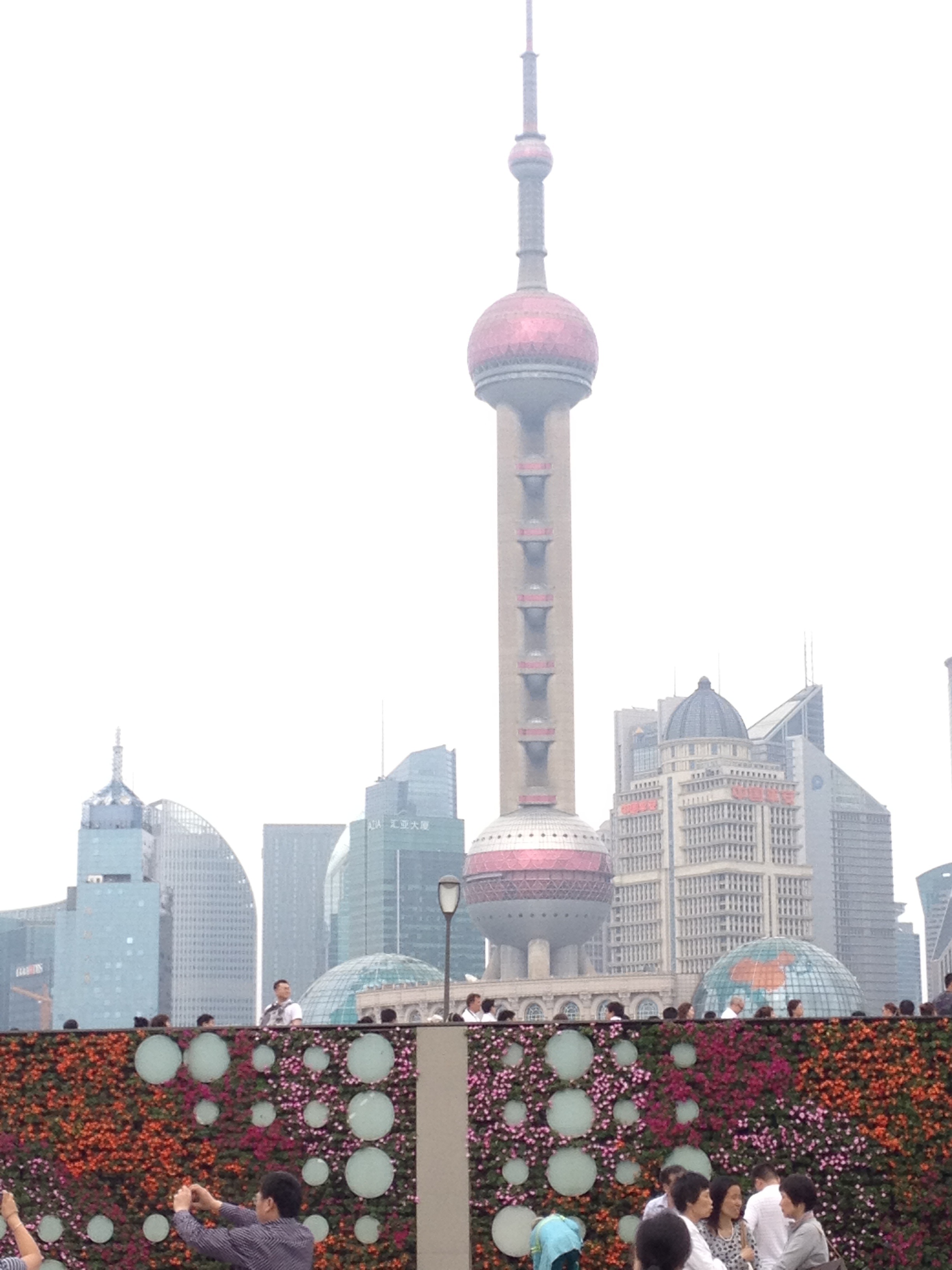
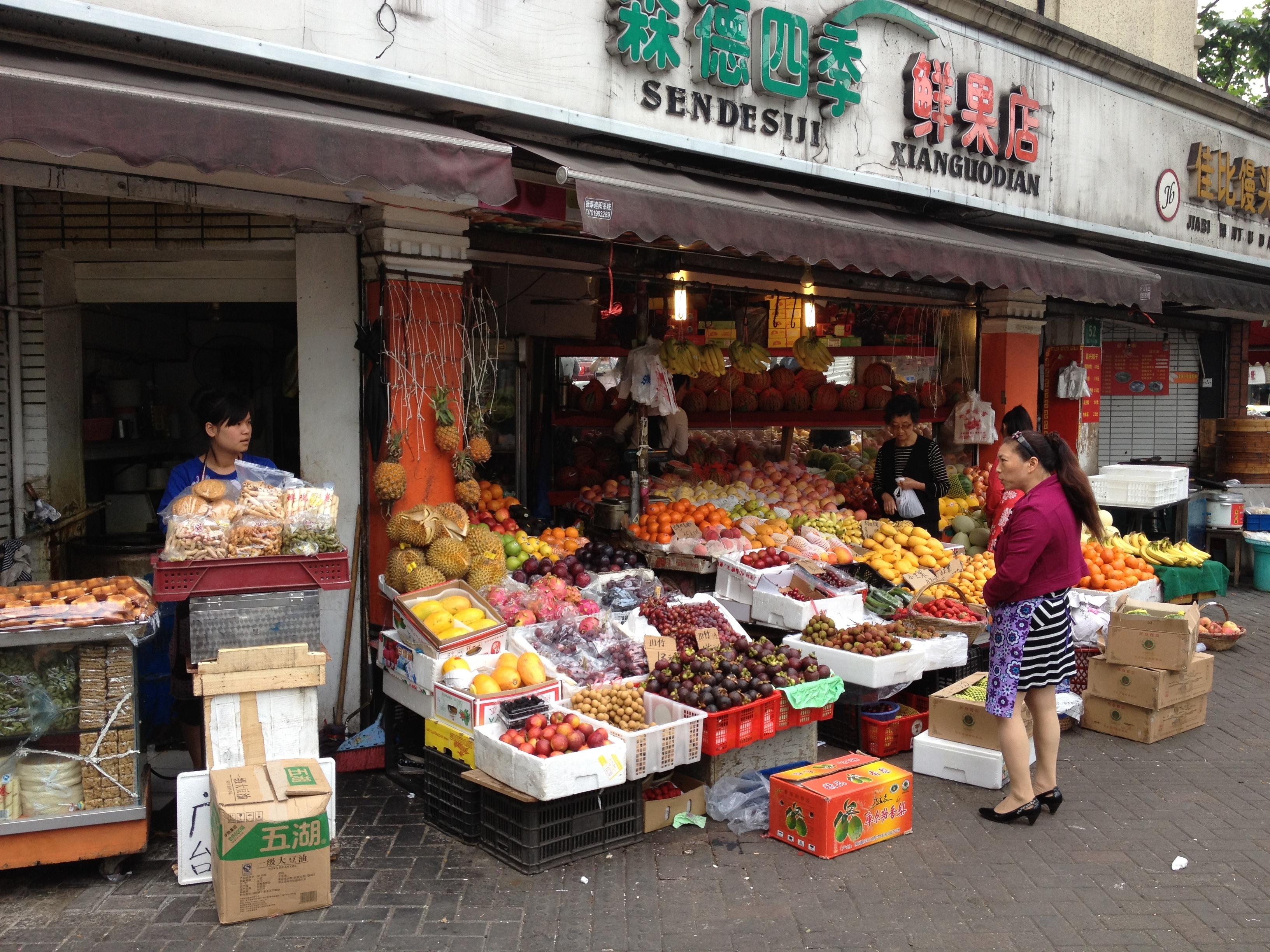
In the span of two long days we packed and stored our NYC life, grabbed a direct 14 hour flight from EWR to PVG, and checked into our new temporary home in the former French Concession (FFC) in downtown Shanghai. We chose Shanghai because we are familiar with the city and will be able to have a longer visit.
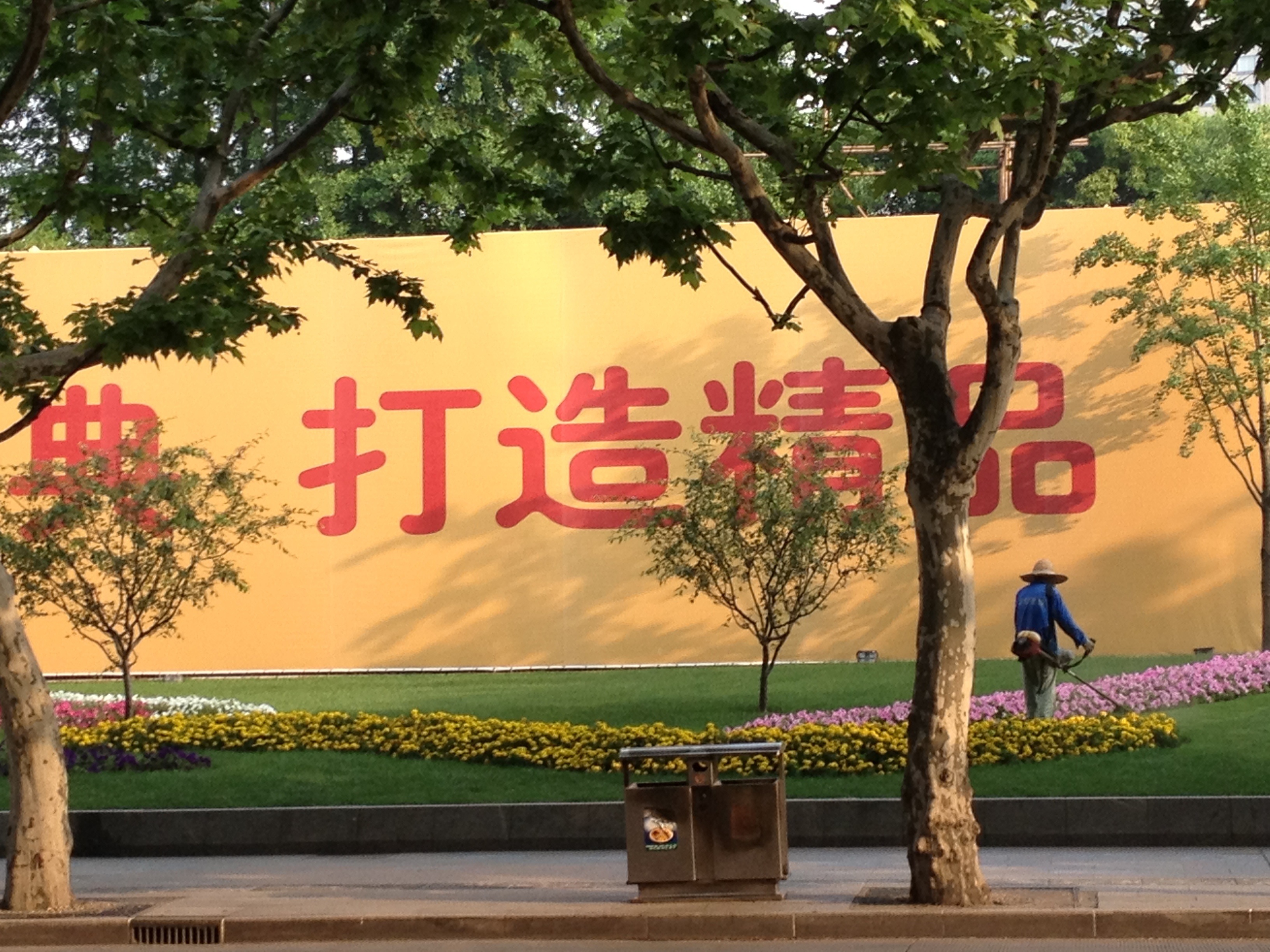
In 2008, the Chinese Consulate in Seoul granted my husband and I both 30 day Single Entry Visas. It was pretty much just enough time to hit up the major tourist draws – Beijing, Xi’an and Shanghai. Back then, China was frantically getting ready for their world stage premier and the Olympics was just the first act. There were other events unfolding behind the red curtain which were causing headaches for everyone for travels, locals, and officials alike. Securing travel visas was difficult. We made due with what we were granted in Seoul and just saw what we could. This allowed us to budget only 5 nights. This time it will be a 3 week visit.

This time, the Chinese consulate in New York granted both of us 90 day multi entry visas which are good for a year. This will allow my husband and I plenty of time to visit what was missed back in 2008 including a proper visit to many cities like Shanghai. We will also witness what has become of China after four years of rapid expansion and construction. So far, it’s obvious that much has changed and this country is still rolling along at full Maglev speed.

Shanghai still appears to be caught up in a construction frenzy. Streets are constantly being swept in the former French Concession and it is not uncommon to see a Bentley speed by while strolling down Huaihai Road. Will the things we see in China’s cultural capital be a stark contrast to what lies ahead? I’m enjoying it all none the less.

The first week was a blur of jet lag and it still hasn’t sunk in that there’s several more weeks – and possibly months – ahead in this journey. At least the jet lag only lasted a few days, Shanghai looks sort of familiar and the transition from living in NYC and now in Shanghai is not very difficult – just warmer.

20120513-194644.jpg

20120513-194800.jpg

20120513-194832.jpg

20120513-194924.jpg

20120513-195005.jpg

20120513-195043.jpg

20120513-195107.jpg

Transport with a splash of color

Recycled in Antananarivo


Most trips overseas for the intrepid traveler involve overland travel.  There’s sometimes unavoidable on small islands in the Philippines and the desert expanses of the Middle East.  The road offers adventure, perspective to a new place and experiencing the local color.

Some of us have quickly found that schedules in most places do not go as planned.  I think back to my early travel years and the incredibly long ride from Ephesus to Istanbul. The bus ended up including a surprise ferry ride, arrived 4 hours lake, dropped me off way in the suburbs at 23:00 back in 2005.

Local buses usually run on the drivers schedule, make pit stops where they get kick backs and usually end with you saying you are never taking the bus again.  I have yet managed followed through with that promise.  As one fellow passenger said on a very bumpy road in India, “It feels like we are in God’s hands and he’s shaking our bus in them”.  I have taken plenty of  bus rides since , survived them all and will continue to ride (if there’s no other option).

Many claim that taking an airplane is much safer than ground transport but where’s the adventure in that. Airplanes don’t look like these colorful options and not nearly as fun.

VIP Bus in downtown Shiraz Iran
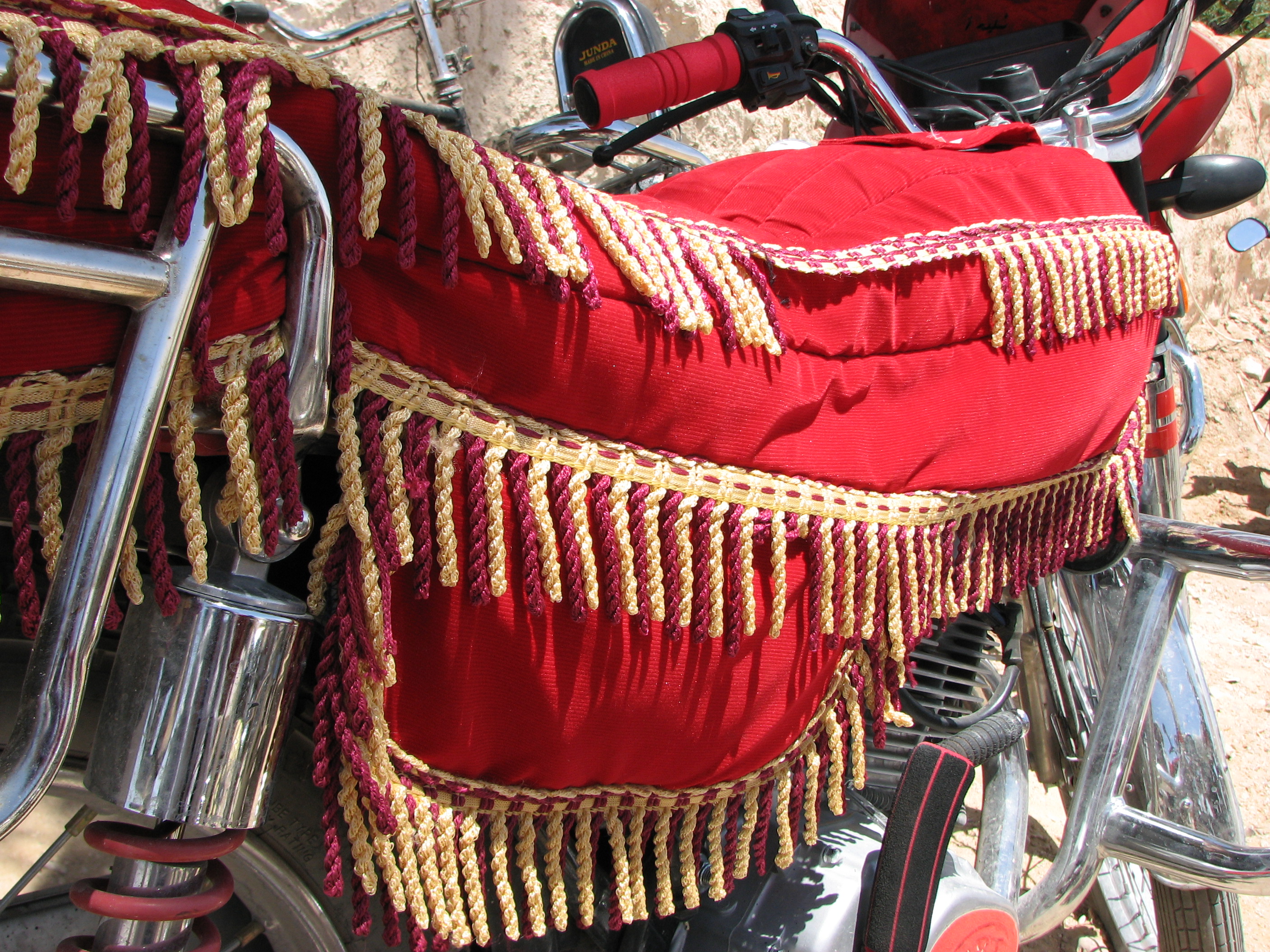
Camel Seat on Motorbike
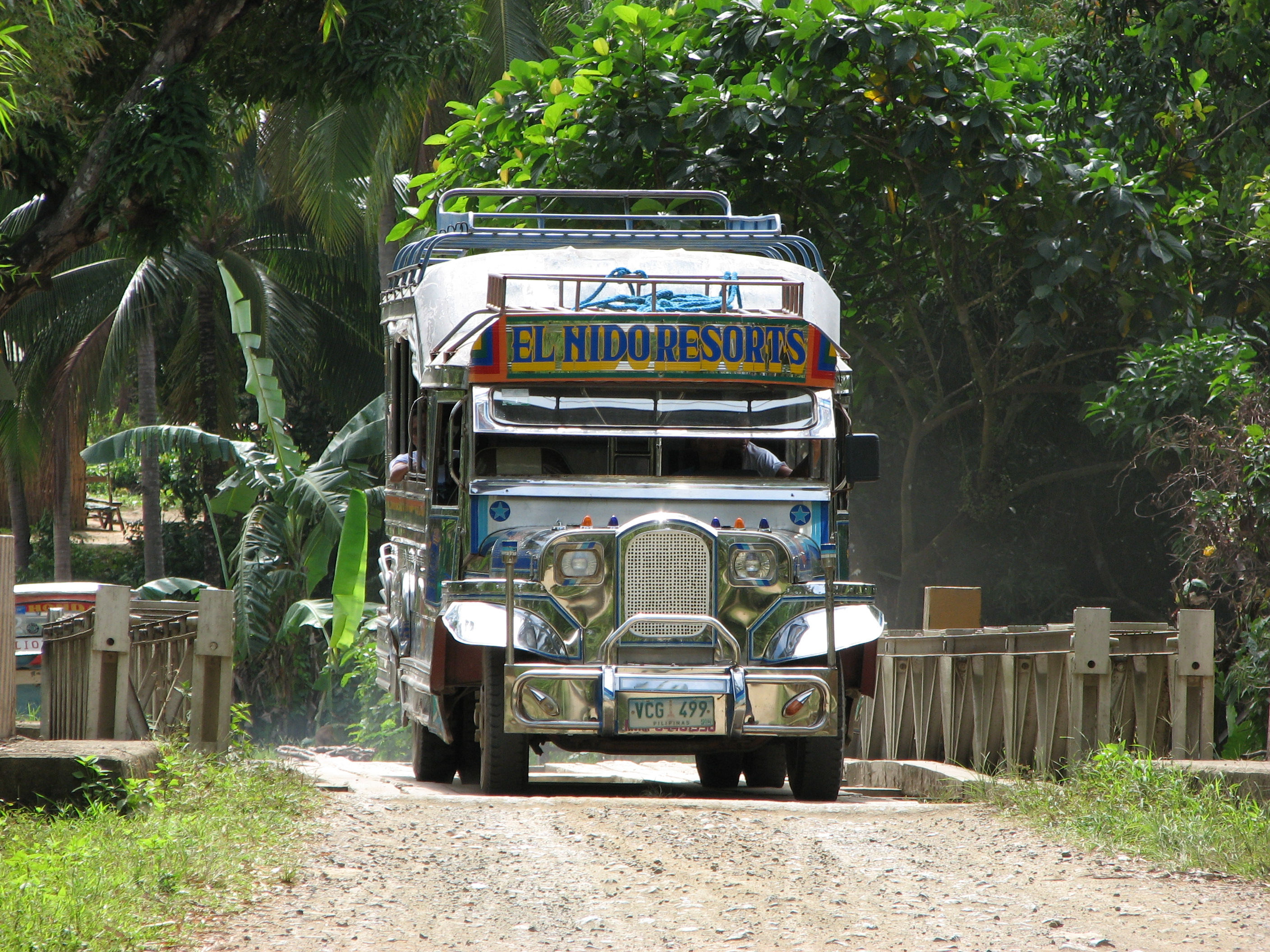
Bumpy Bus out of El Nido

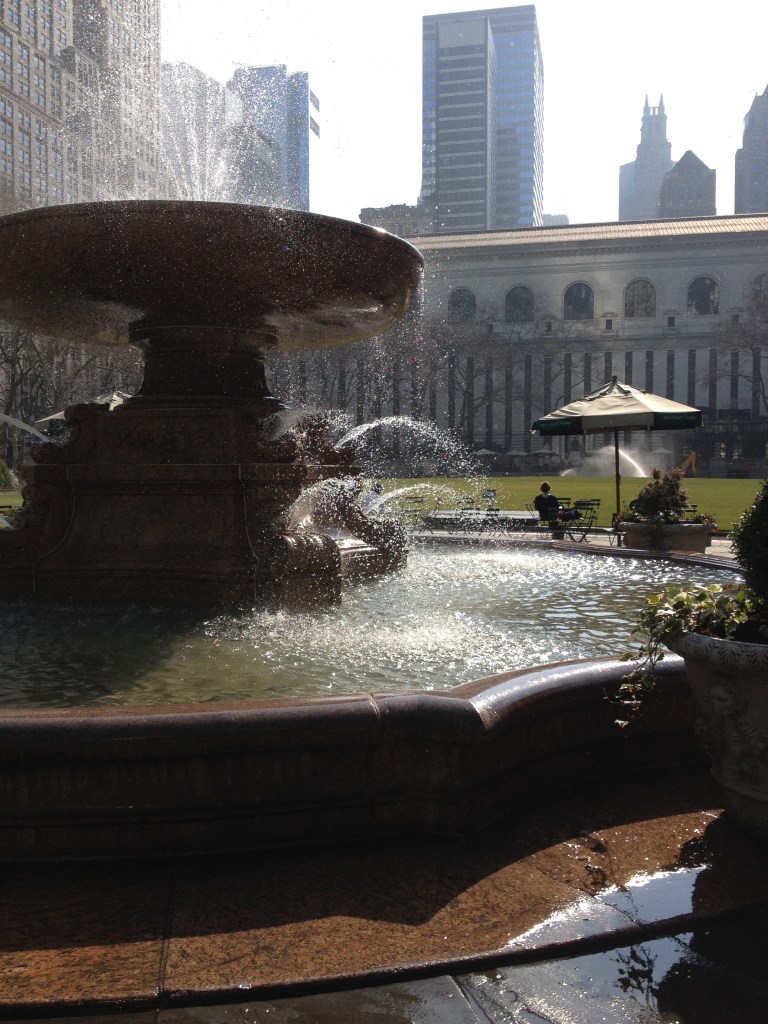
Taking Flight in Bryant Park

Spring actually started as early as February in this section of the world and some would believe winter was a very kind one to all of us after how much snow was dumped on us last year.  We had 70 degree days in January and we had very few that went below freezing.  The early spring is a bit confusing but not unwelcome to those of us who are more than ready to lose the winter digs.  It just makes one wonder what kind of weather is ahead of us as summer is rapidly pushing up the eastern coast line.

I’m enjoying the perfect weather here on the island.  There’s nothing better and more refreshing than spending time in NYC’s numerous parks, dining under the sky and being able to lighten the load by leaving the wool jacket, gloves and scarves behind.

My favorite spot is the little piece of green right in the middle of Midtown Manhattan and it’s Bryant Park.  This little park has something for locals, tourists, families and those looking to escape their office/cube for a few.

Lego Lion guarding the main entrance of the Schwarzman Library in Manhattan

So many FREE things to do in this lovely little piece of green in Midtown Manhattan


There’s a number of places to enjoy a good read.  This is a place where you can grab a table and chair relax by the fountain with a book from either the Mid Manhattan Library on 5th Ave and 41st Street or the historical Stephen A Schwarzman Library on 5th and 42nd Street. Get to the park in the early afternoon, grab a pint and lounge amongst the financial big wigs inside the Patio sponsored by the Southwest Airlines or the Bryant Park Cafe on the eastern end.

Chess or a pint at the Southwest Airlines Patio seen here in the background?

The park also offers a number of other free activities for both adults and their little ones.  There’s someone waiting right now looking for a friendly challenge.  For little ones  and others who are not quite ready or in the mood to compete there’s a carousel humming along to classic french cafe music, an area next to it dedicated to kids books and plenty of food vendors who provide the perfect picnic lunch to enjoy in the park.

For the sporty crowd looking for some action there’s ping-pong tablesPétanque along with free lessons as well as plenty of chess and backgammon boards  set up at tables lining the park.  These activities provide a way to meet locals and see that there’s more to Times Square then bright lights, chain stores and tour bus hustlers.  One could just about manage to make a full or half day just within the confides of this wonderful little park in the center of midtown.

Late Winter Bryant Park Ground Hog Day 2012
Bryant Park Ping Pong is amongst the many outdoor sports offers in the park and it’s FREE

And did I mention how really nice the bathrooms are?

Nicest public restrooms in all of Manhattan. Those flowers are real.


The main lobby of the Schwarzman Library in Manhattan. The rest of the building is even nicer and I highly recommend checking it out for yourself.


Mid day in Bryant Park and a little on the quiet side. Get there before noon to get a good seat with a view. The lawn is the former site of Fashion week tents.


Your priced out of a trip destination and a dream, can’t afford Paris? Part Deux

Paris View of Arch de Triumph from the Lourve

An evening stroll along the Seine/Bospherus.  A room with a view of the sparkling Eiffel Tower/Blue Mosque at dusk.   This is a city where travelers can show up with no plans. Time in both Paris and Istanbul can be spent just walking the streets and spending time viewing art in small and large museums and later contemplating it all over an espresso/turkish coffee and a pan au chocolat/turkish delight in a cafe “you discovered” while walking through a neighborhood just off of the LP guide map.

Blue Mosque in the Distance from the western edge of the Sultanahmet Istanbul by Cori B (farflungistan) on 500px.com


Paris Cafe on Montmartre Hill

Paris is not the only metropolitan city where people to travel to and spend hours getting lost amongst bustling streets and their alleyways.  Istanbul is fast becoming a place where one can experience the cafe culture, romantic skylines, local cuisine and indoor art collections.  There’s plenty of cute outdoor cafes that offer a comfortable place to have drink and watch the world go by.

Notre Dame
Notre Dame on the Seine

Seine
The Eiffel Tower view from the Seine

Istanbul is a place for those who enjoy visiting cities that offer wonderful food, sites and views while keeping to a low to moderate budget.  Gone are the days where visitors became  instant Turkish millionaires at the airport currency exchange.  Even with a few less zeros on the Lira notes, the cost of living in Istanbul is still 40% cheaper than Paris according to the Expatistan website.  This means that even the budget traveler can afford a room with a view of the Blue Mosque, add a few more get a few more days to the itinerary and enjoy a few good meals.  Maybe even pick up a nice rug if your bargaining skills are up to par.

View of the Blue Mosque from the room
View of the Blue Mosque from the room in the Sultanahmet Istanbul

Fountain of Ahmed III - Topkapi Palace Istanbul by Cori B (farflungistan) on 500px.com
Fountain of Ahmed III – Topkapi Palace Istanbul by Cori B (farflungistan) on 500px.com

Some basic comparisons between Istanbul and Paris:

There is no arguing that there’s no place like Paris.  It’s a city everyone should spend time in and experience.  Wine, art, architecture and wonderful sites are its big draws.  Istanbul has all of these and more.

Rug shop in the Sultanahmet Istanbul
Cute kitty at one of the many rug shops in the Sultanahmet

Dusty dawn in the Sultanahmet by Cori B (farflungistan) on 500px.com
Breakfast with a view at the Side Hotel

CAFE CULTURE

İstiklâl Caddesi located in the historic Beyoğlu district offers cafes offering tables with many different views and offer that for a $2 pint of cold beer and a $5 plate of doner kebab with rice.  It’s the section of town where you can party on the roof tops until 7am and come back later and meander the streets seeing the latest additions to Istanbul’s buzzing art scene.  It’s also where visitors and locals go to shop for everyday items, find a decent internet connection and find a plate of cheese Börek and strong turkish coffee.

On the other side of the Bosphorus, the Sultanahmet  visitors the opportunity to lift the feet up and lounge on top of a cushioned platform, drink tea, enjoy a little nargile while watching the Blue Mosque and Hagia Sofia change color as the sun goes down.  There a number range of places depending on amount of service, atmosphere and there’s one for every budget.

Street art off the grid in the Sultanahmet by Cori B (farflungistan) on 500px.com

THE ART SCENE

Istanbul’s art is not restricted to just what can be seen on the walls and ceilings of many if the city’s mosques, palaces and historical sites. Istanbul is becoming a premier contemporary and modern art scene and giving other european cities some competition.  Great contemporary and modern art works created mostly by native artists and can largely be viewed in the Golden Horn section of the city.  The art typically references both the ancient and modern history of Turkey. Visual art, architecture, urbanism, the environment and cultural activities are highlighted in the both the large Istanbul Modern and SALT Art spaces.

The Istanbul Modern houses to one of the largest collections of contemporary and modern art in the region.  The building was a former 19th century textile manufacturing plant on the Golden Horn and became a permanent museum space in 2004. The city is experiencing a cultural rebirth and art boom making it an exciting time to visit.  To find out more check out this great article about the art scene featured recently in the NY Times.

Atik Valide Camii by Cori B (farflungistan) on 500px.com


IT’S ALL ABOUT THE FOOD

Paris is famous for its very sophisticated street food of sorts that consists of buttery Pan au Chocolat, Macorone, baguette sandwiches, wine, cheese and fresh crepes filled with Nutella sold by vendors on the Montparnasse and in parks throughout the city.  Turkey tempts it’s visitor’s sweet tooth with taffy-like ice-cream dished out by performing scoopers, sugar-coated fruity varieties of Turkish delight and of course rich Turkish coffee with extra sugar cubes.

The wine scene is experiencing a boom like that of the local art scene.  Many visitors are beginning to find that Turkey’s locally produced wines are maturing as small wineries are adding depth to the world market.  It’s no surprise that Turkey grows quality grapes since the lands are fertile and it’s neighbor Georgia is well-known for their fine wine vintages .  The grapes are local and the wineries are working hard to develop their brands and begin competing with wines from France and Italy.

Fountain of Ahmed III at night near Topkapi Palace by Cori B (farflungistan) on 500px.com

Istanbul is a great city on the western fringes of Europe.  The Topkapi Palace Minarets and colorfully domed buildings of Ottoman construction make up the skyline. The haphazard singing of numerous muezzin begins at dawn and calls on the faithful to pray five times throughout day.  Paris and Istanbul really can’t be trading for one another but they do share many characteristics. Unique architectural design that reflects the history of each city, a bustling modern and contemporary art scene and rich cuisine.

I first visited Istanbul in 2002. It was a place taken over by large groups of backpackers swilling pints upon pints of local beer in the Sultanahmet hostel outdoor roofs and patios. The city is still very good for those on a budget whether you travel with a backpack or something with wheels. Some of the hostels have changed over to boutique hotels but hostels are still in the mix as well as good affordable food and drink.  There is even a street French Street located in the Beyoglu district if you feel a need to have the best of both Paris and Turkey in one city.  Istanbul won’t disappoint.


Your priced out of a trip to Moscow? How about Georgia instead?

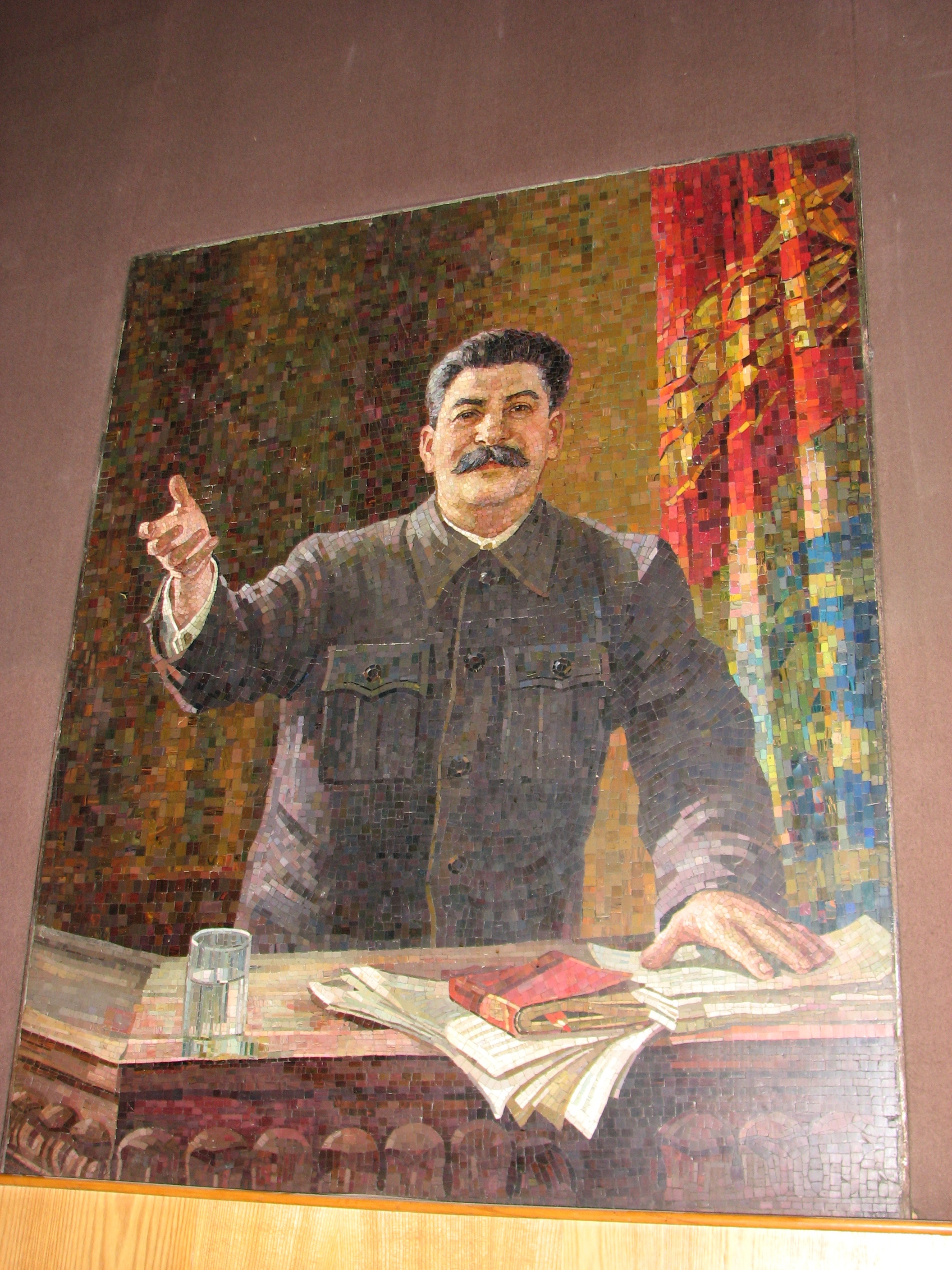
Mosaic of Stalin in the Josef Stalin Museum Gori - Georgia
Mosaic of Stalin in the Josef Stalin Museum Gori – Georgia

We all have a vision on how we will spend our precious days away from regular life. For some its traveling far from home to a place where most things are foreign.  An evening stroll along the Volga viewing the red stars that light up the top of the Kremlin, Seven Sisters and St. Basil’s.  There’s also the subterranean beauty of the extensive subway system lit with crystal chandeliers and elegant tiled passageways which look more like a museum then public transport hubs.

Boating down the Volga in Moscow

Typical interior of the Moscow Subway

Intrepid shopping trips to the Vernisage in Izmailovo Flea Market checking out Matryoshki dolls painted with Putin and Medvedev faces, Lenin and Stalin commemorative Statues and other Soviet Kitsch objects.

Souvenirs @ Ismailovo Park in Moscow

Today, visitors can freely walk around the interior walls that surround the Kremlin fortress where former Czar royals lived in seclusion and away from the common people. Their ostentatious collections of jewels, thousands of pieces of cutlery, carriages, clothing and countless gives from allies are on display for those who can pay 700 rub or about $25 USD and no pictures allowed, viewing  times are limited and just about everything is a bit irregular.

All there is to be seen in Moscow and much of Russia does come with a hefty price tag which starts with the visa and goes through the lack of budget accommodation. This is not an ideal backpacker spot since it’s impossible to just land and figure it out as you go. I guess if there is a will then there’s a way like but at an expense which would deter most vagabonds.

If a traveler has their heart set on a trip to Russia then the investment is well worth the hoops and greasy palms one must contend with before being let in. If not, there are less expensive alternatives which provide similar experiences with less of a price tag and hassles. Many former Soviet controlled cities offer a good alternatives for travelers looking for signs of the glory days of communism under Stalin and Lenin.

Mtsketa
Mtsketa Cathedral in Tbilisi

Tbilisi instead of Moscow

One of those is the lovely former Soviet satellite country of the Georgian Republic.   This lovely country is on the move and could be a member of NATO as soon as this May when NATO holds their summit in Chicago. This doesn’t exactly thrill Russia and tension between the two still continues on.

Tbilisi lies of the banks of the Kura River and it’s hills contain medieval fortresses, parks and the larger than life soviet style Kartlis Deda Statue.

Kartlis Deda statue above Tbilisi
Kartlis Deda statue high in the hills above Tbilisi

Wonderful 360 degree pic by photographer Ilia Zakaraia  he entitles:  the Bridge of the peace at night in Tbilisi ,Georgia in Georgia
The ultimate Soviet kitsch experience – Gori, Georgia

The war is over in Georgia and it’s a wonderful place to visit. Travelers can’t find any better Soviet kitsch then the Stalin Museum in Gori, Georgia. This is where you can see the home of Josef and his family and view the 83 ton very secure custom train the paranoid Stalin travelled in while visiting his post 1941 conquered regions.  There is much more to Georgia than birthplace of one of the world’s most paranoid and murderous dictator.  They are still in the process of removing him from their past which includes everything Soviet.    Mikheil Saakashvili, Georgia’s pro-Western president, is trying to get rid of all Stalin references and not so long ago finally had his statue removed from the center of Gori. President Saakashvili wants to continue to sever all connections to Russia’s former occupation of Georgia.

Stalin's Train in Gori - Georgia
Stalin’s 83 Ton Private Ride

Stalin's Private Train Car in Gori - Georgia
Inside Stalin’s Private Train Car

Craving Vodka?

Just trade it for Red Wine and/or Borjomi

Georgia  continues in their quest to be known less for its conflicts and more for things like their  fine wines, bubbly therapeutic mineral water and unique culture.The Russian’s continue their embargo on Georgia’s biggest beverage exports, wine and a salty mineral water with the labels of Borjomi and Nabeghlavi.

Wine is the blood of Georgians as vodka is in most of Russian citizens blood. Russia’s ban only makes both very affordable for locals and visitors.   Vodka of all kinds is not hard to find and one of the few Soviet traditions that will be hard for Georgians to give up but the wine is devine and extremely budget friendly thanks to the Russian embargo and lack of interest from this feisty neighbor.

Medieval walls of Jvari Church Tbilisi
Medieval walls of Jvari Church Tbilisi where wine was once produced

Beehives in the countryside of Tbilisi Georgia
Beehives in the rich countryside of Tbilisi Georgia with the Greater Caucasus Mountain Range in the background

he Metekhi Church and the equestrian statue of King Vakhtang Gorgasali
The Metekhi Church and the equestrian statue of King Vakhtang Gorgasali

Soviet Metro Systems in Tbilisi

There’s nothing that can touch the beauty and elegance of the subway stations found in Moscow. The few built in Tbilisi which give visitors a feel for the signature look the Soviet designers were going for. Construction of most of these smaller marble walled stations was completed in 1966. Today, there’s no longer signs of Stalin, but they do deeply resemble those built in Moscow and St. Petersburg. The subway conductors and security do not allow picture-taking inside the subway system. I managed to accidentally bump my camera with this one below.

Tbilisi Subway - Republic of Georgia
Tbilisi Subway – Republic of Georgia

Gori
Gori with a Soviet leftover statue

Budget low down:

Travel Visa:

Georgia: Free for most upon arrival

Russia: $130 on average and need to start process at least 2 months before departure

Accommodation in the city:

Tbilisi:

$40-100 USD/night for most hotels including breakfast and private bath similar to the Charm Hotel

Moscow:

$70-100 USD/night for most double with separate bath no breakfast at hotels like and similar to the Petrovka Loft close to Red Square

Meals:

Tbilisi:

Splashed out 3-course meal: $30 USD

Traditional Georgian Cuisine Menu:
– a glass of wine for $3.61
– a liter bottle of Borjomi for 90 cents USD
– a plate of 3 Khinkali for 90 cents USD
– a large Khachapuri or cheese bread for $3.91 USD

Meal totaling: $9.32 USD without tip

Moscow:

Basic Budget meals: $10-12 USD without drink

McDonald’s Value Meal: $4.99 USD

Cheap Eats listed on this site made for foreign students staying in Moscow.

Cities of Georgia may not have the prestige of cities found in the former Mother Land of Russia but they are easier on the wallet. The choice is  of course the travelers.  Travelers will find a visit to Tbilisi an experience to remember. Travelers can see where Stalin grew up and how the first Soviet satellite country to declare independence from Russia has fared despite continuous conflict after cutting loose.

Spring is coming? That’s what Chuck says

Staten island resident ground-hog, Chuck, says that spring is coming soon.  Doesn’t take a groundhog getting woken up from a winter’s nap to be able to see that coming.  Daffodils are already peeking out of the ground in Inwood Park and some  cherry trees have blossomed in Central Park.

The weather is as usual unpredictable and confusing to all.  The two famous groundhogs – Chuck of Staten Island and Punxsutawney  Phil of Gobbler’s Knob – are only right a little over 30 percent of the time and can now sleep in peace for the next couple of months.   Supposedly, Phil did see his shadow and  let the highly disputable ground-hog whisperers, known as the Punxsutawney Groundhog Club’s Inner Circle, know that we’re in for another six weeks of winter.  Our Chuck, a little more in tune with what’s been going on above the semi-permafrost or is he probably just using his common sense?

Late Winter in Central Park South
February 2011 in Central Park South – NYC

This is what Central Park looked like last year around this time and what it typically looks like here in NYC:

Bridge in Central Park February 2011

A winter storm isn’t out of the question in the near future and I’ll enjoy each mild day as it comes – mild or frigid.   This time last year I was packing for a long weekend in Tulum.  I think that I’ll stop looking for winter travel deals and use the money for the trip to Asia this May.

Table tennis anyone?

IMG_0117
Early Table tennis in Bryant Park on February 2, 2012

Year of the Dragon Parade Celebration – NYC

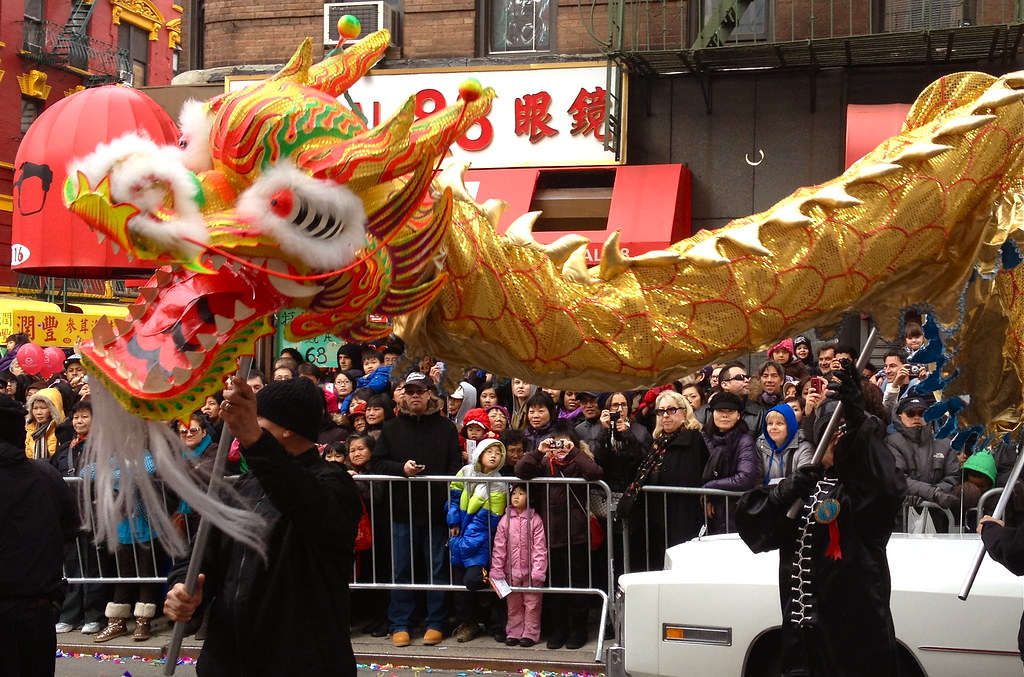
Flying dragon at the Chinese New Year Parade NYC 2012

Year of the Dragon – NYC 2012

New York City is a perfect home for intrepid travelers.   It’s the city that historically is known for its candid talk and surly abrupt manners or lack of them.  And yes, Gotham has again been voted  the rudest city in America, but at the same time ranks as Americas No. 1 place for cultural diversity.  Can’t win them all.  Of course, this is all according to Travel + Leisure Magazine.   The  cultural diversity is what makes NYC one of the top travel destinations in the U.S.  We received over 50 million tourists in 2011, and I’m sure we are well on our way to breaking that record again this year.

Each weekend, there’s always a street fair or parade going on which features one of the many individual cultures found in one or more of the numerous neighborhoods that make up the city.  Thousands gathered to celebrate the Year of the Dragon in Chinatown.

Mexican dancers at the Chinese New Year Parade NYC 2012

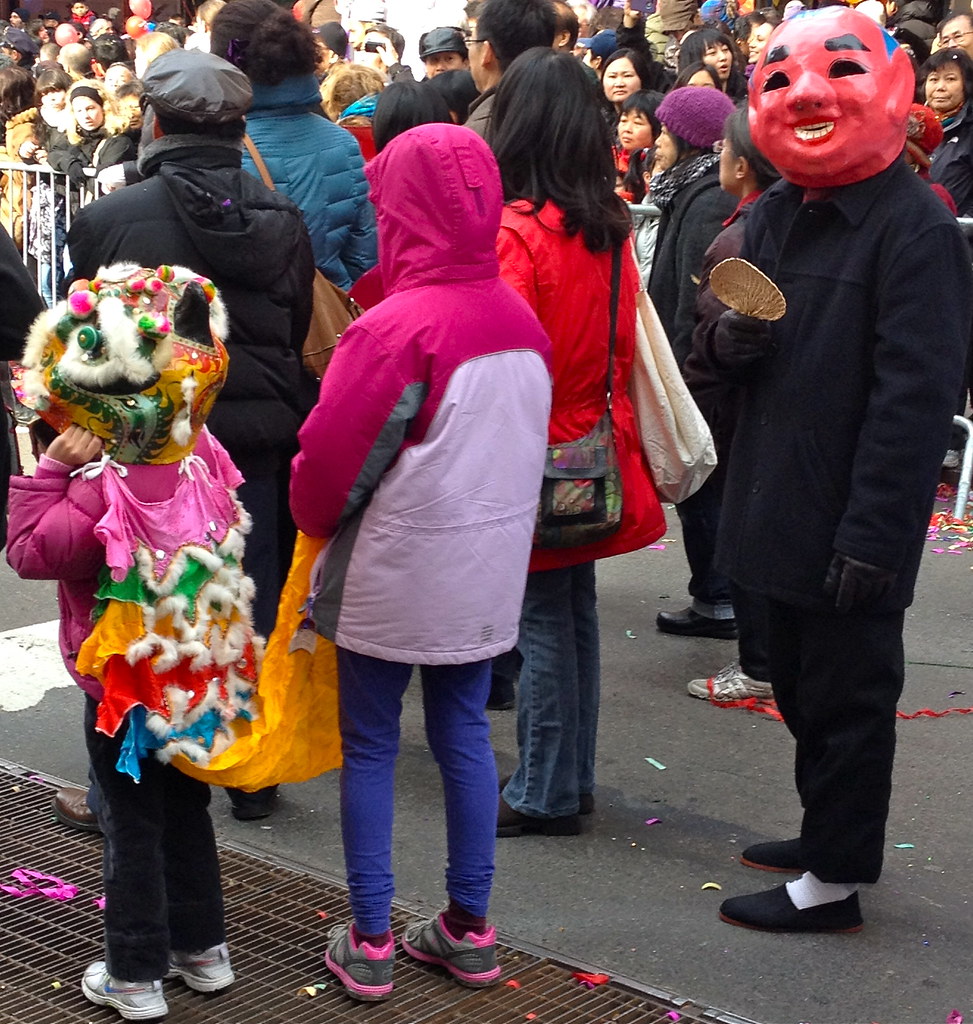
Sunday starting at 11:30am, there were big and small gold and red dragons snaking the streets, high school marching bands, Verizon and Casino sponsored floats, and masked individuals scaring away evil spirits in lower Manhattan yesterday.  This is a day were children and adults can chase each other with spray sting and shot off countless amounts of confetti poppers on top of parade revelers without having to say sorry or caring about the mess.

Little Dragon waiting in Chinatown NYC

Chinese New Year Souvenirs - NYC
Chinese New Year Souvenirs – NYC

Recycled Dragon in Sara D. Roosevelt Park NYC
Recycled Dragon in Sara D. Roosevelt Park Chinatown NYC

The streets and sidewalks get mobbed with locals and tourists.   The scene at the corner of Hester and Mott is probably as close to downtown Shanghai as one could imagine when the parade was in full swing.  Queen’s gets its go at the parade next weekend.  The older rival will have their 16th annual Chinese New Years Parade in Flushing on  Saturday February 4th at 11:30 am.

Happy Year of the Dragon!

Dragon face off at the Chinese New Year Parade NYC 2012

Xian: The Gateway to the Silk Road

Gateway to the Silk Road – Bell Tower in Xi’an, China

One of the best ways to see history in person is by visiting the  cities along the Ancient Silk Road.  Religion was the driving force behind many of history’s greatest battles, and the force which leaders used to expand their empires.  The faces numerous cities and villages  reflect the styles,  ideals and philosophies of the dominant empires that have come and gone.  Their sacred places of worship in major Silk Road trading cities – usually the cathedrals, temples and mosques – are the first places to look at when in search of history.

IMG_4007

Caravans linked lands and their people  from the east to the west as the roads grew longer and trade grew stronger.  The various caravan roads of the Silk Trade Route not only brought goods but also new ideas, philosophies, art, food,  and religion. The Han Dynasty (141–87 BC) began it all in the 1st Century AD when it opened up its doors to the West from its capital Chang’an just northwest of  Xi’an in  central China.  It was the center of the world and a perfect location for China’s capital city.

Xi’an quickly became Asia’s gateway to Europe

The Han established Chang’an as the starting point of the Silk Road, but it was the  Tang Dynasty who used the route to expand China’s empire and to advance their society politically, intellectually and commercially.  The population during the Tang Dynasty (618 – 907 AD) grew to over 2 million – making this period the high point in Chinese history.  Chang’an was up there with other cosmopolitan  cities such as Constantinople and Rome.   The capital city welcomed foreigners with people coming from Persia, Arab Nations, India, Malaysia, the Middle East and  Near East to study and trade.
China’s Trade  and influence expanded  into Central Asia as they continually battled with the Turks for territory.  Chinese art and culture – particularly Buddhism and poetry – began to proliferated into the western ends of the Silk Road and other parts of Asia.  Many came to Xi’an to both trade and study.  This is where the woodblock printing process first developed making the written word available to all.   This technology is one of the many that began here and travelled to other parts of Asia and to the west via the  Silk Road.
IMG_4142

The Tang fought to keep control of its vast empire as wars broke out through the centuries.  Natural disasters and rebellion gave a fatal blow to the Tang powerhouse. The anemic ruling party survived for a little while but was much to weak to make a full recovery.  Their monopoly on the salt trade kept them going for a bit but the countryside was full of bandits who constantly undermined the weakened Tang military force.  The king of the bandits and former salt smuggler, Zhu Wen, ended the Tang Dynasty by disposing its last emperor, Ai of Tang in 907.  He established the Later Liang Dynasty.
Xi’an is more than the Terracotta Warriors found outside the city.  Visitors should take the time and discover the beauty and peacefulness of the The Great Huajuexiang Mosque, eat some non-traditional chinese food in the Muslim Quarter and take advantage of one of the best free museum tickets at the Shaanxi History Museum in the land that charges you for everything.
Visitors travelling here on the overnight train from Beijing get dropped off right in front of one of the main gates that leads into the walled city.  There are many things a traveler can’t miss when visiting.  Here are three things any traveler can’t miss while in Xi’an besidesWalmart:

Eating streetfood in the Muslim Quarter:

IMG_4180 copy
Restaurant in the Muslim Quarter in Xi’an China

even if you don’t know what’s in it

IMG_4087

IMG_4094
Mapo Tofu in Xi’an

Visit the Huajeuxiang Mosque which has both beautiful Chinese and Islamic design work:

The Great Mosque of Xi'an
The Great Huajuexiang Mosque of Xi’an
HUAJUEXIANG MOSQUE in XIAN, CHINA
Inside the Huajuexiang Mosque in Xi’an
HUAJUEXIANG MOSQUE in XIAN, CHINA
The Huajuexiang Mosque in Xi’an China
HUAJUEXIANG MOSQUE in XIAN, CHINA
The Huajuexiang Mosque in Xi’an China
HUAJUEXIANG MOSQUE in XIAN, CHINA
Xi’an China – Terracotta Warriors

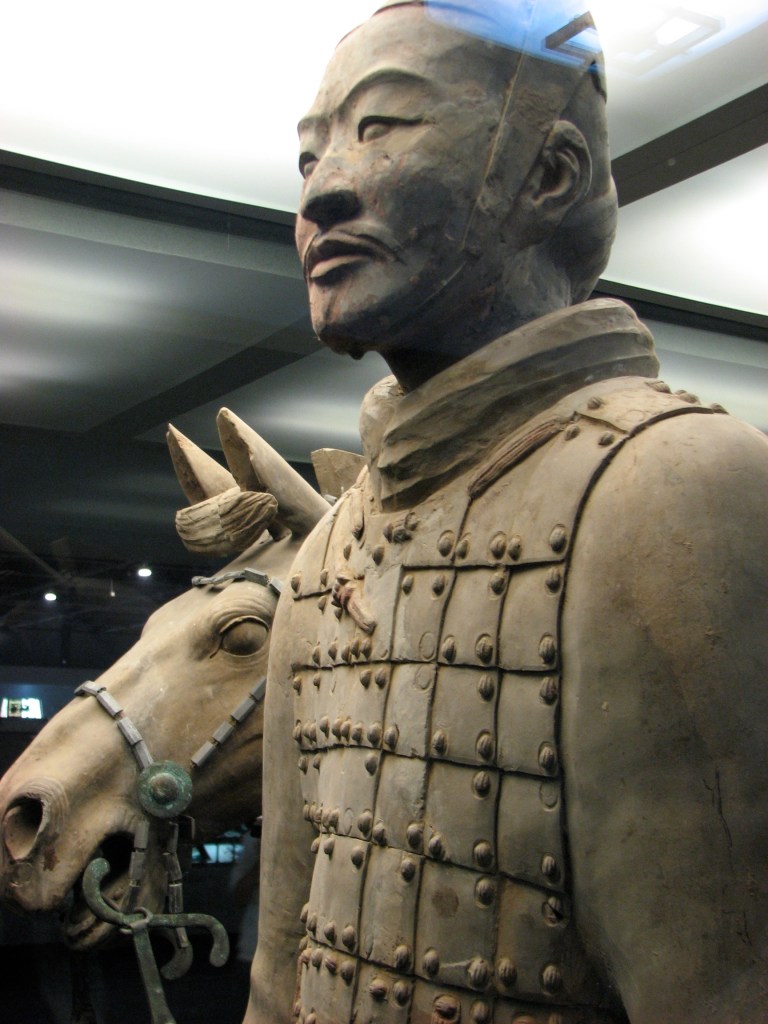
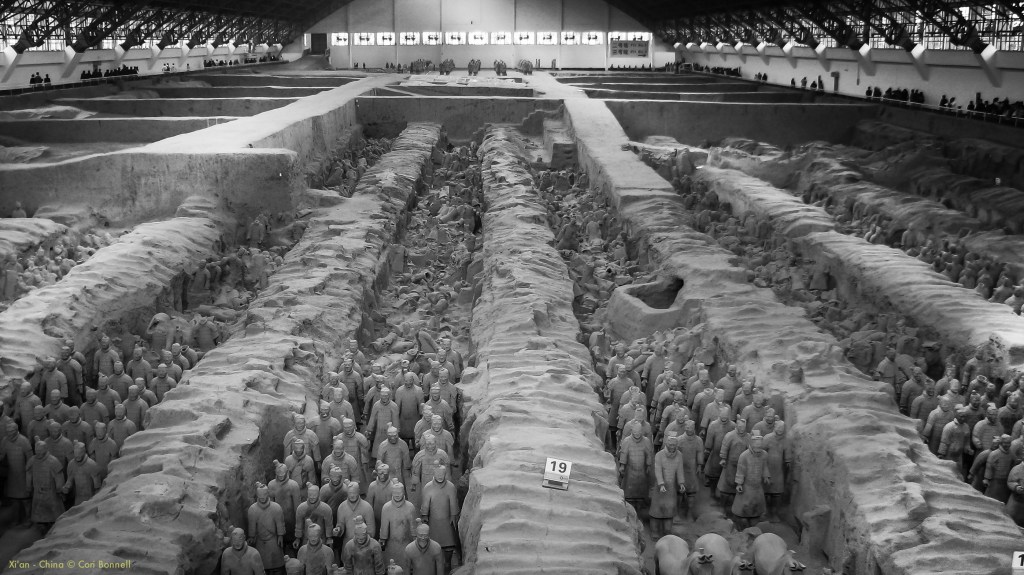
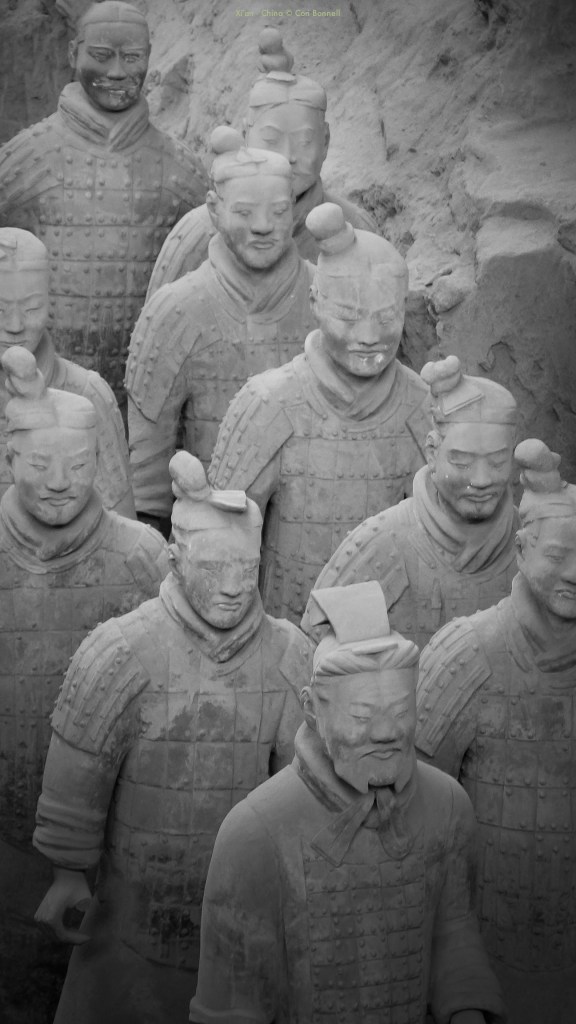
And of course the Terracota Warriors after you have visited the Shanxi History Museum: After I left the site where the terracotta figures where housed, I wondered how many of them were authentic if any. Still amazing to see and the museum does a good job educating visitors before trekking out to see them. Get out there as early as possible since the picture light is more direct and there’s less people.

Terracotta Warriors…yeah..some actually look fake but they still are an amazing site
Xi'an China - Terracotta Warriors
Warrior waiting to be liberated