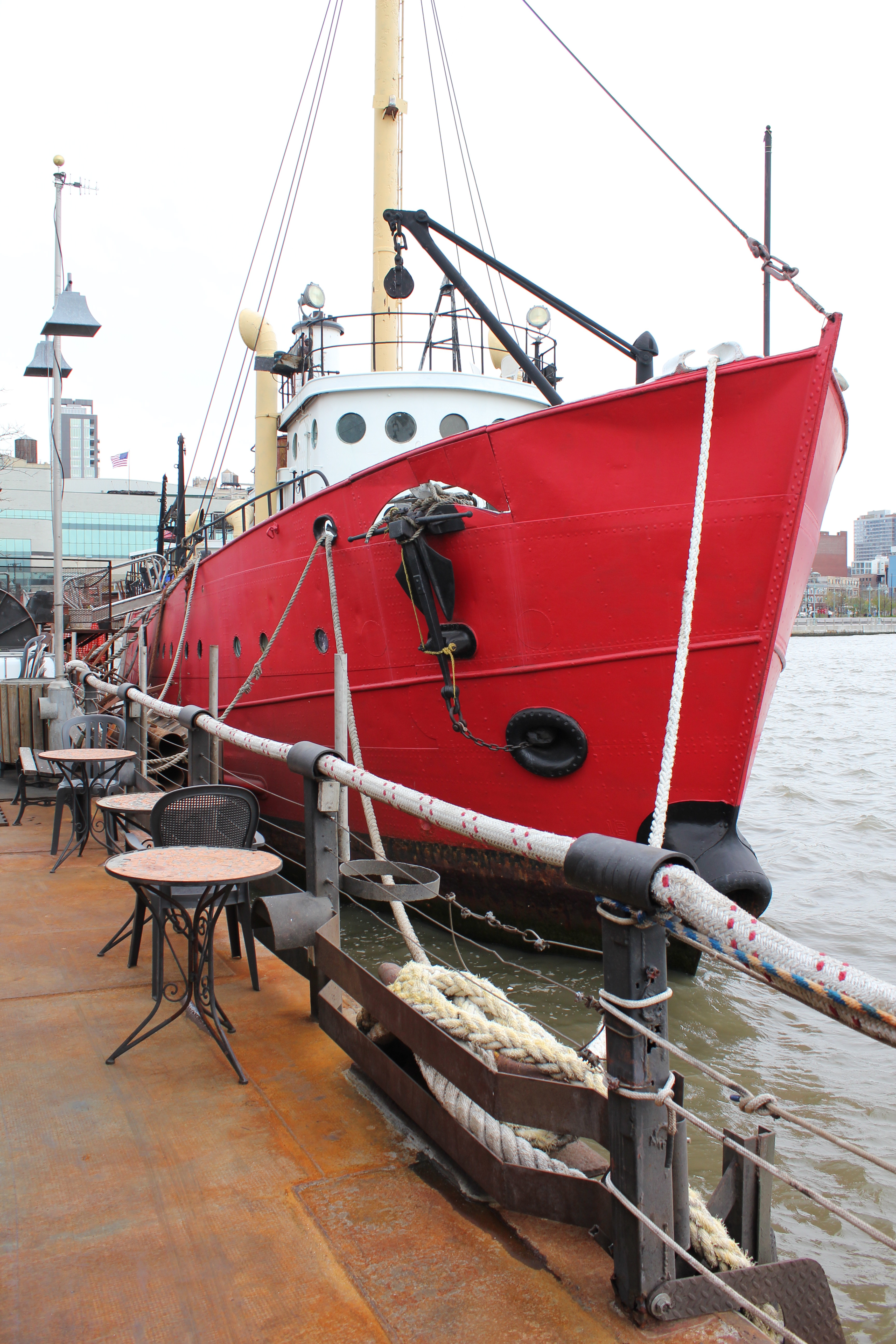
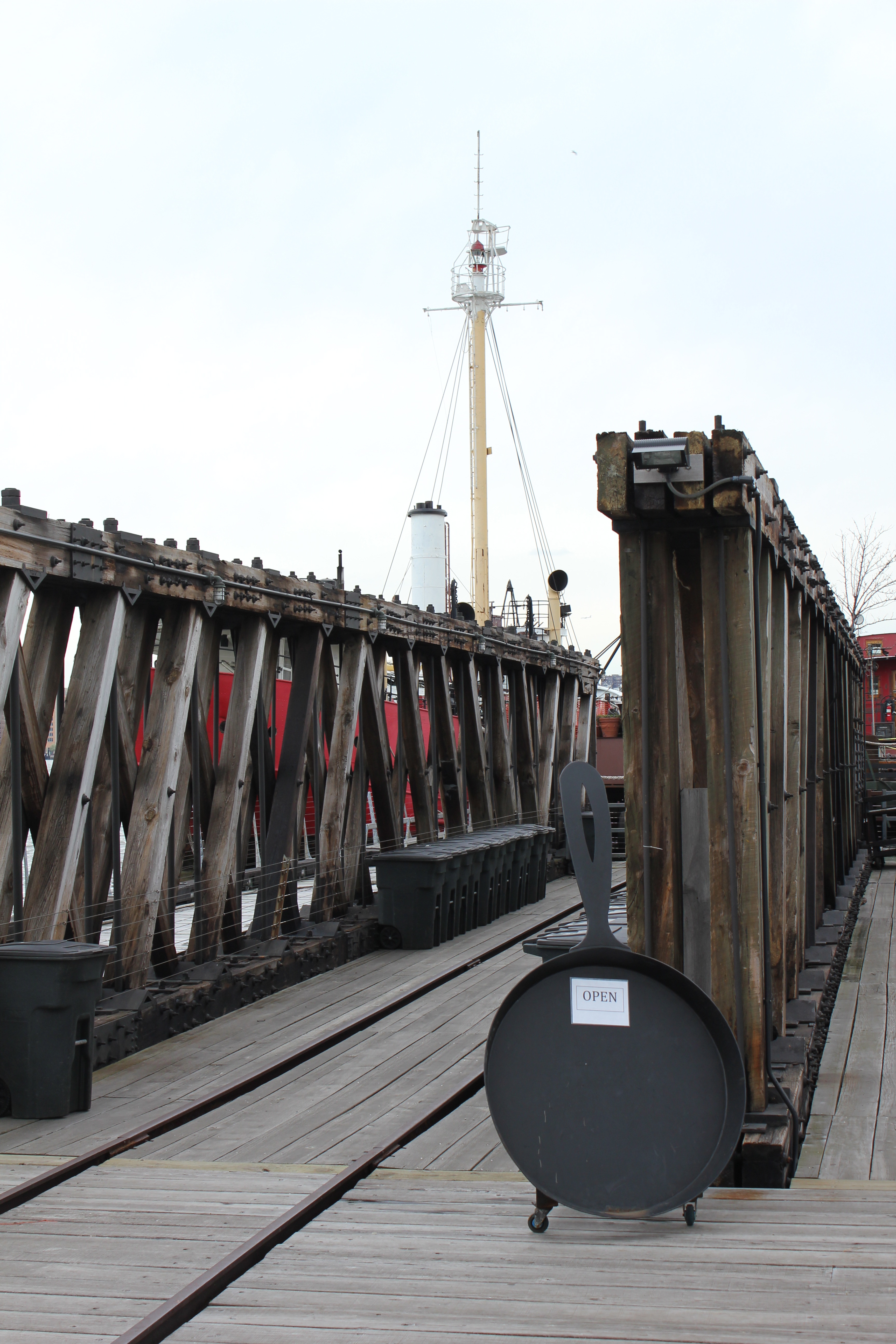
The Frying Pan is open @ Pier 66…well sort of

IMG_3442

The Frying Pan is summed up the best by this Yelper who said on April 17th this year:

“I like drinking, I like boats, and I like the great outdoors. Ergo, I like Frying Pan. On a beautiful spring day it’s absolutely magical that you can be sipping a beer and overlooking the Hudson.”

The Frying Pan has been open on and off since to some capacity since the beginning of February.  Their twitter handle @Pier66Maritime is the only place to go to find out what’s being served, when it’s being served and if they are even serving.  On February 17th this year they sent this tweet out:

“If anyone’s curious, we are planning to open the flaps Friday daytime. No food. And when it gets cold, we’re going home.”

It seemed a bit early in the season but I felt good just knowing that a little bit of sunshine was on the horizon even though there was still snow on the sidewalks.

Lately it’s been full of encouraging tweets like this one sent :

“Bar and kitchen open… Nice out.”

And this sad but encouraging one sent today at 4pm: 

“Closing down … Too cold. Open tomorrow with kitchen even if it rains open at noon”

The official website of Pier 66 Maritime says they are officially open May-October.   There’s little time left before the crowds show up and the place looks more like a night club in the Meatpacking District  with bouncers, bracelets, lines for the bathroom etc.  Now is time to go – weather permitting of course.  Let’s hope for some a warm sunny days before May Day so we can all enjoy our  brews in a bucket  and greasy burgers without unpleasant distractions and long waits at the bar.

IMG_3435

The piers are quiet and just coming into bloom so head out to the Piers for a nice walk, a beer and a pleasant view of the water and early spring.

Spring NYC…what’s going on at the Brooklyn Botanical Gardens

Now that the temps are rising and the sun has made its way through the thick grey clouds of this winter we here in NYC now look forward to many things that begin to open up and remind us that summer is on its way.  This means we can comfortably dine outdoors without the assistance of gas powered heat lamps and relax as we go from place to place since the winter cold isn’t driving us into the warmer climates of the underground subways, taxis and various building lobbies.  Trees and flowers now decorate the sidewalks and parks with their colorful blooms. This is the best time of year in New York City so get out and enjoy it.

Back to the pleasantries of the way too short New York City spring season.   There’s so much happening now and in the next few weeks that I’m just going to focus on one of my favorites in this post which is the Brooklyn Botanical Gardens.

Brooklyn Botanical Gardens

Sakura in Brooklyn by Cori B (farflungistan)) on 500px.com

The grey days are over for the time being at the Brooklyn Botanical Garden. It’s been open since mid March but it’s really at it’s best during the warmer months of the year.   The cherry blossoms are in full bloom right now and they have managed to keep there petals on despite the hard rain fall this past week.  The cherry blossoms are a part of the Hanami Festival at BBG is a month-long celebration from April 2 to May 1 that celebrates the Japanese cultural tradition of enjoying each moment of the cherry blossom season.  Too bad that they don’t let you bring a picnic like they do in Japan.  Here’s the latest report from the Brooklyn Botanical Garden site which keeps those who are interested updated on the blooms of the day.  I also want to note that Tuesdays are free for all and Saturdays admission is free from 10am-Noon unless there’s a special event going on like the Matsuri April 30-May 1st.

Other exhibits worth mentioning are the following with links:

Graceful Perseverance – Bonsai Trees

 Natural History sculpture by Patrick Dougherty

and More…

The current hours, admissions and directions to the Brooklyn Botanical Gardens are:

Hours

Tuesday–Friday:
8 a.m. to 6 p.m.
Saturday & Sunday:
10 a.m. to 6 p.m.
Closed Mondays
(but open Memorial Day, 5/30,
from 10 a.m. to 6 p.m.)

More Information

Admission

Members: Free
Adults: $10
Seniors (65 and over): $5
Students with a valid ID: $5
Children under 12: Free

Special Pricing for Sakura Matsuri

More Information

Directions

900 Washington Avenue
Brooklyn, NY 11225

2 train 3 train B train Q train 4 train 5 train S train
B or Q to Prospect Park
2 or 3 to Eastern Parkway

Maps, Parking, and Directions

Green is the new grey in Central Park this Spring

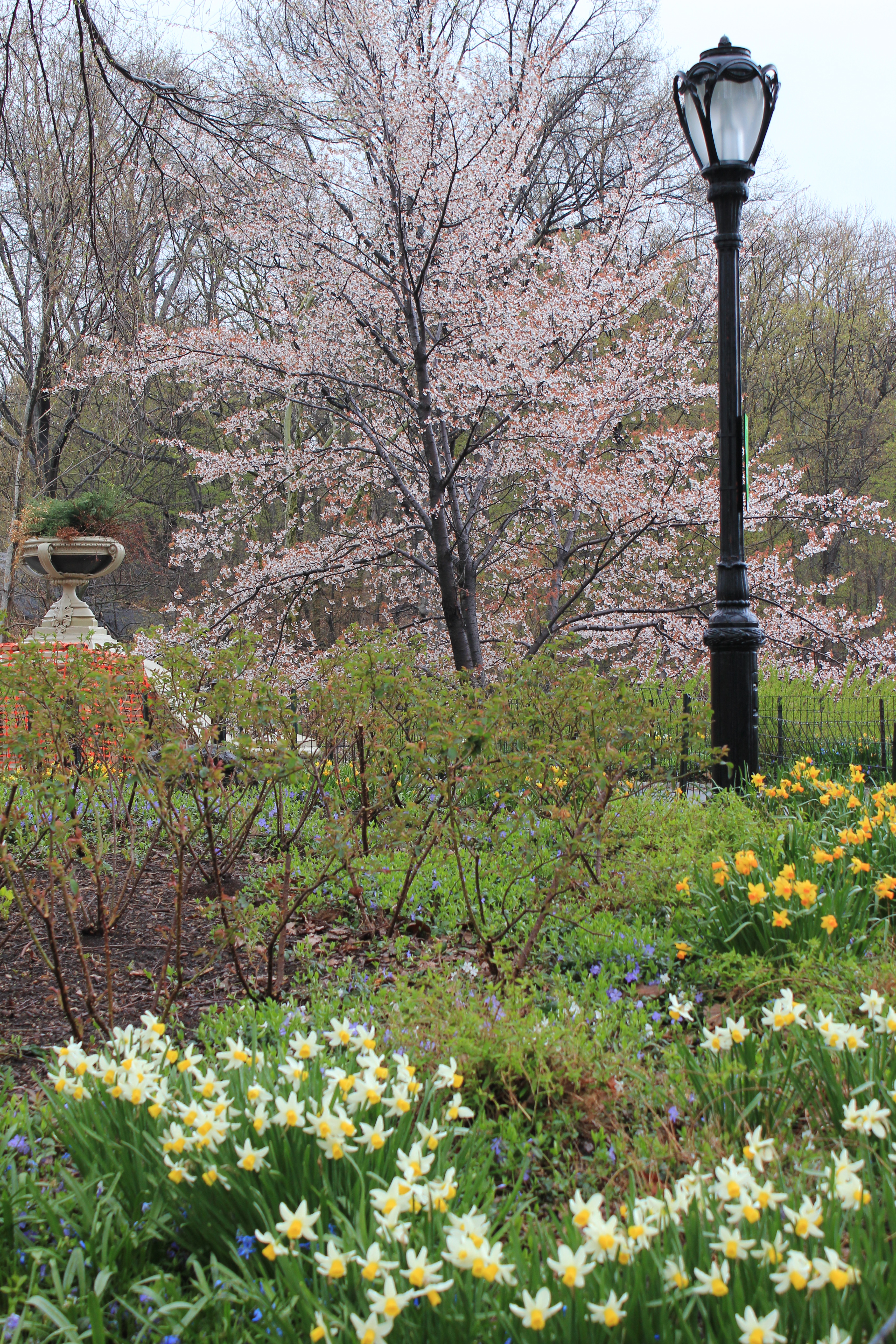
In Central Park the new spring season makes green the new grey of the season past.   Rain showers are in the forecast today but they don’t prevent me from visiting.  It’s hard to stay away and not see the park when the landscape is at it’s best.  Central Park is in full bloom.  The grey is getting etched out of the landscape by the pinks, greens, yellows and reds of the flowers, plants and trees coming back to life.

First blooms of Central Park Spring 2011

The activity level is pretty low for this time of year but it’s still a great time to visit.  Less people and the naturally filtered light makes for great pictures even in the middle of the day.  The only problem is the constant wiping of the lenses as each rain shower passes.  Besides that, no worries.

Even More Highline Coming this Spring in NYC

IMG_3208

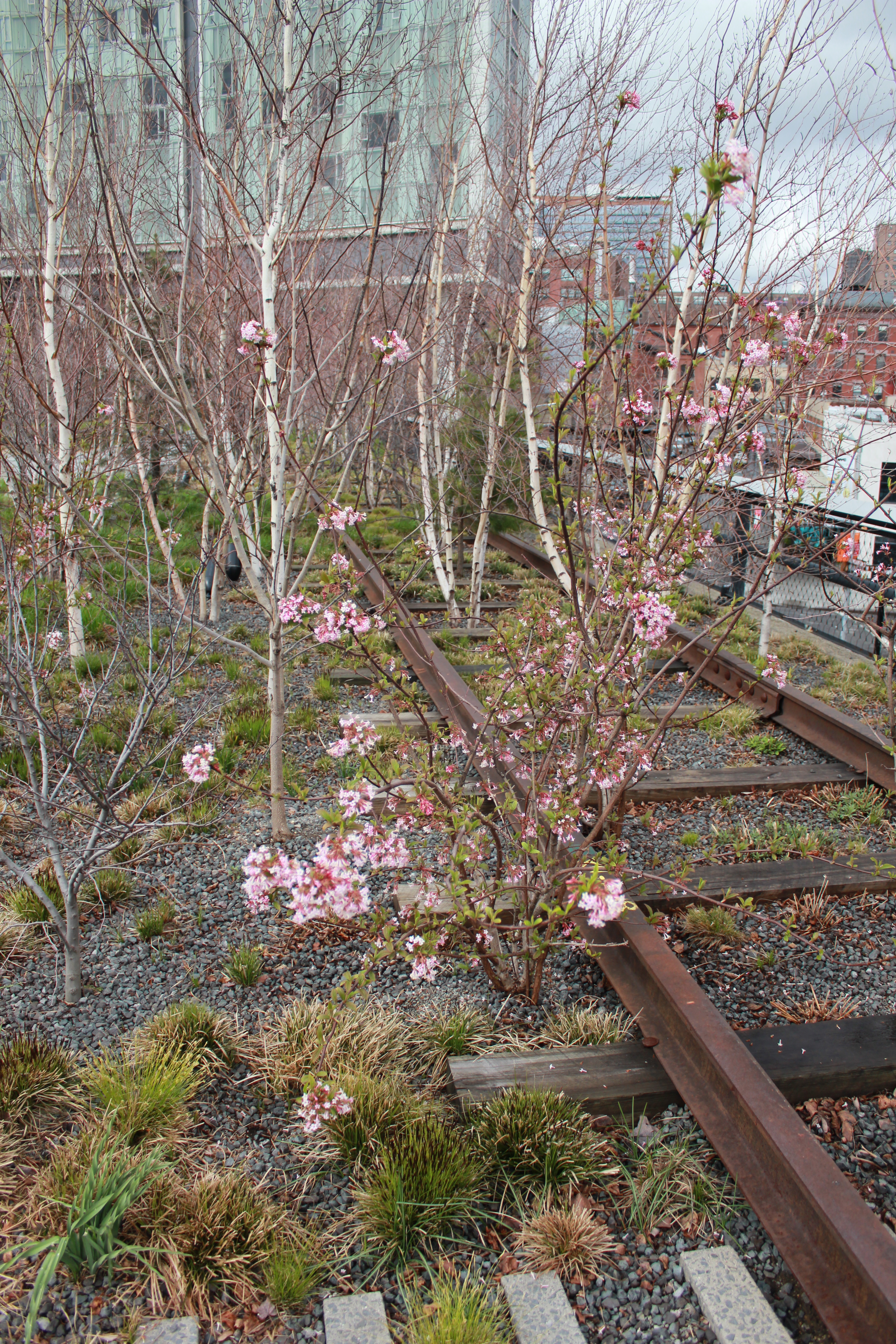
The west-side  High Line has new things to come this spring as it will soon be extending its green paths uptown to 30th Street.  There’s no official date announced but it’s sometime this spring.  The High Line is open to the public until 10pm and this summer there will be food services offered by High Line approved vendors, additional visitor services and events for all to enjoy.

Star Gazing

Grab your telescopes and join star-gazing fun at the High Line Tuesday nights.  The Amateur Astronomers Association of New York‘s will have high-powered telescopes on had with instruction and generally will be offering lessons on what goes on in the sky above New York City.  So come by at dusk and join both amateur and professional astronomers every Tuesday night during High Line’s Star Gazing Event.  Unfortunately, the first ever Star Gazing night this year was cancelled due to bad weather, but the next one is scheduled for April 19th.  Let’s all hope for a clear night.

Before it was abandoned

Food was carried into New York City with the use of large freight trains which ran besides pedestrian and vehicle traffic starting in the mid 1800’s.  As most could imagine, there were many unfortunate and sometimes fatal accidents along 10 Ave. giving it the nickname Death Ave.  The city and state recognized this huge problem and decided to lift the rails 30 feet above the street level traffic.  The tracks were built bisecting avenues and giving the freight trains the ability to directly go inside warehouses and factories.  This eliminated 105 street crossing and the trains no longer interfered with street level traffic.   These trains continued to make deliveries until the last train ran frozen turkeys to one of the remaining warehouses in 1980.  The tracks were then used by club kids in the 80’s and were home to many of New York Cities homeless up until recently.
IMG_3222Here comes the Food Vendors

Visitors have often requested that the High Line offer both food and beverage options in the middle of it all.  I’m sure there is also a need for the High Line to make some revenue to keep things looking nice.   The Friends of the High Line Association announced this March that it would be taking proposals from any vendor would like to fill out an application. According to the High Line the vendors would be chosen by them after prove that they will be appropriate for the High Line Environment.  It will be interesting on who will have the honor of being a part of the  High Line landscape.

In their words: “Friends of the High Line is looking for partners who will create food that is as thoughtful, creative, and interesting as the High Line itself and who want to build a strong partnership and active collaboration with the High Line.”

The choice of vendors will be localvore in nature and ideally will encourage connections between one another and the land around them.  It will be interesting who gets in on the action and how it will enhance the overall experience of walking the High Line.  It sounds simple and a bit utopian.  Hopefully, it won’t mean eyesore scenes like people waiting long lines for a half melted ice cream cone, dirty barrels filled with trash.   The present tranquil environment of the elevated parkway may get lost amongst the hotdog wrappers and vest touting maintenance person equipped with a broom and bucket.  I’m not sure why people just can’t pack a lunch or just walk a few feet to get something to go.  They do mention on there website that the revenue accumulated will benefit in supporting the Friends of the High Line – aka they need to have a revenue stream to keep the money flowing.

Bird Watching, walking tours and more….

Those along with new walking tours, more art work to view from the pathway and festivals with will come and go throughout the season give visitors plenty to do and see on the High Line.  Here’s what is in store so far this season.   The prices are a bit steep for me but the bird walk does sound interesting.IMG_3230

Public Art

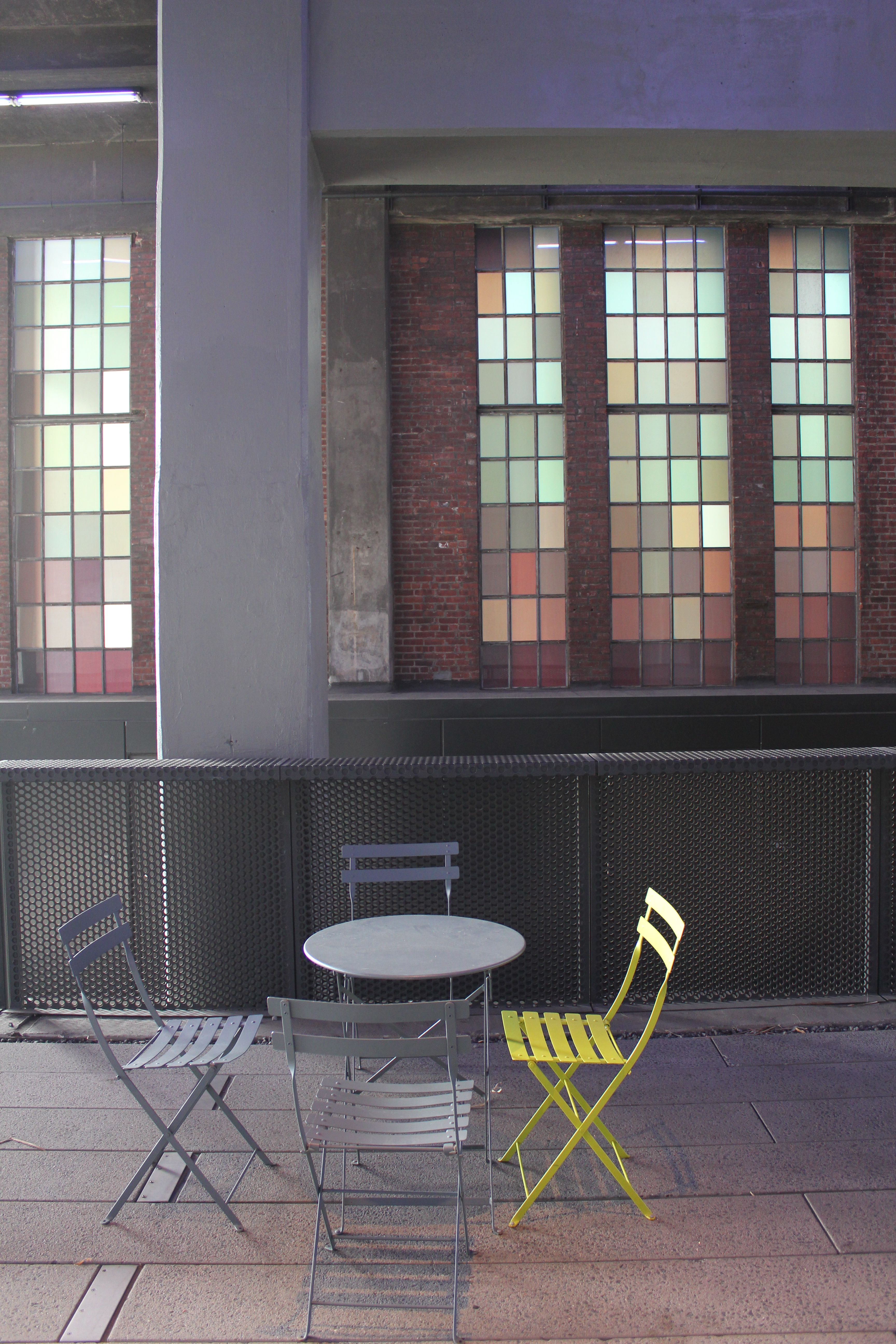
The High Line offers activities for budget minded visitors like myself.  The main one is the numerous temporary Public Art installations that are featured along the High Line.  These come in all shapes and forms and usually give those who notice a different perspective of the space around them.  My visit the other day and included listening to the bell chimes in the 14th Street passageway.  They are a part of the Public Art installation created by artist Stephen Vitiello.  My favorite things to do in NYC is visiting Public Art installations throughout the city when ever possible.   The Public Art projects along the High Line and throughout the city are one of the unique features of New York City and literally can’t be missed unless you don’t realize that is what it is.
Off Season on the Cape

03272011686


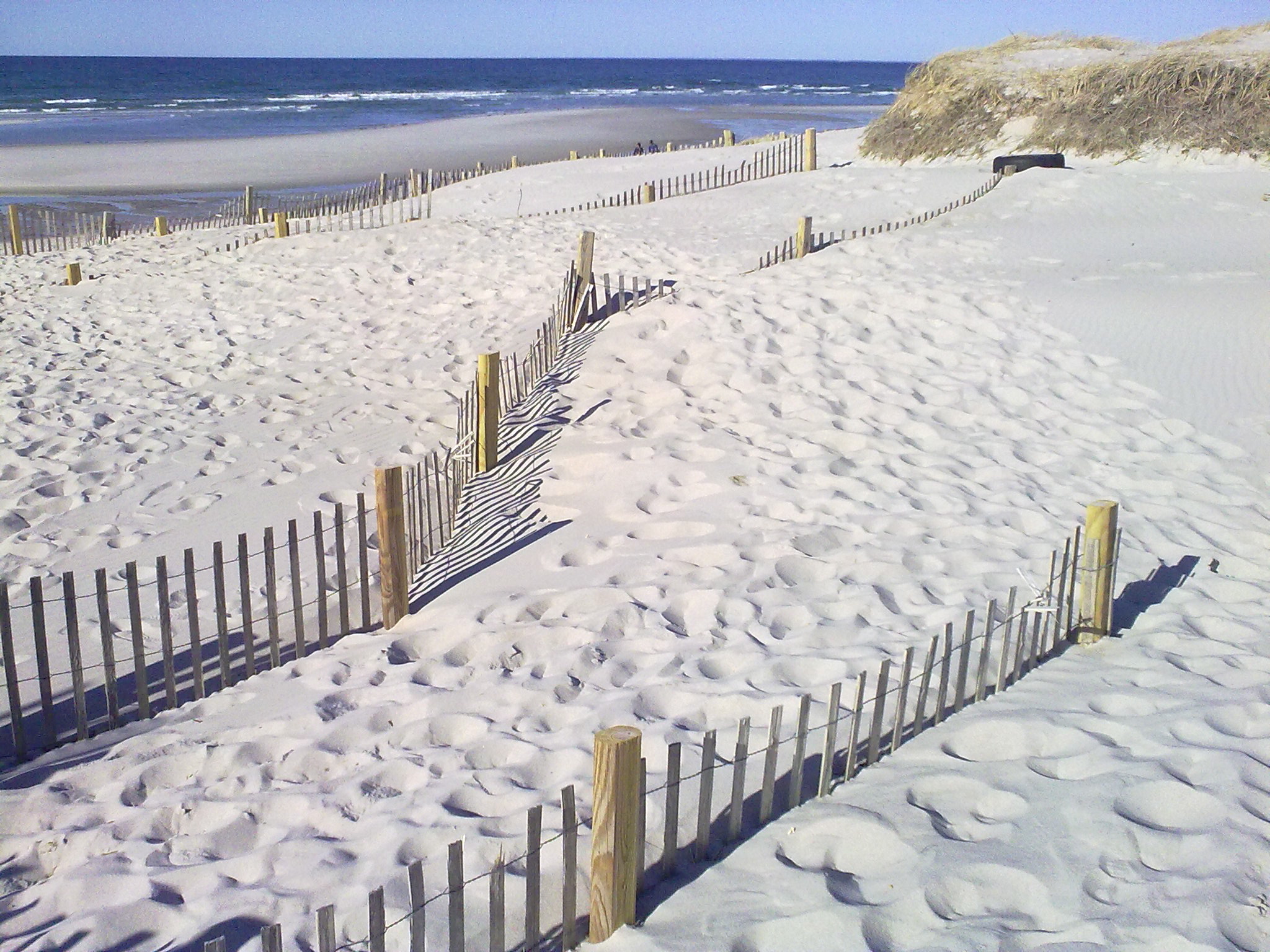
It’s chilly, a bit windy but the sky is clear and the sun is brighter than it has been in months on Mayflower Beach. This time of year, the beaches lining the peninsula of Cape Cod are really not much different then they are in mid summer – minus the crowds and hot temps.  Today, disappointment is only felt by a few sluggish seagulls deprived of their afternoon nap and who now have to share the beach with a few uninvited guests.

This is my favorite beach on or off-season is Mayflower Beach located in Dennis Village Route 6A.  The stretch of beach faces the north or Bay Side of Cape Cod. Here, low tides expose never-ending sandbars which allow beach strollers space to roam and feel as if the beach is theirs even in the middle of the summer season.  Mayflower and many of its neighboring beaches are typical of Cape Cod. Most on the Bay Side are hilly and covered with protective and fragile beach grass, lined with soft beige sand and offers visitors miles of surf to walk and safe waters to swim in.

Early spring visitors to the Cape often come because it’s when they can get the lowest hotel and beach rental rates of the year and also can dine at some of the finest and most popular restaurants without reservations.  Your cheap t-shirt shops and fried clam shacks are still boarded up but many things worth visiting usually just shorten their hours or take a few weeks off at the beginning of the year.  Visitors just have to substitute fried clams and mini golf with sushi and a walk on the beach.  This is not a bad thing for many.

The typical spring weather doesn’t arrive to Dennis and the rest of the Cape Cod region until the end of April, but the combination of clear skies and calm winds offer up a good conditions for being outdoors during the cooler months.  Most weather forecasters of Boston have an especially difficult time with figuring out Cape weather anytime of year.    The best way to get an idea of how the weather will be is to check out Cape Cod live cams, check the most local source for news and weather which is the Cape Cod Times and hope for the best.  Whatever is going on weather 03272011685wise in New York City usually will be the same on the Cape in 24 to 48 hours.  It’s New England and the weather on the Cape can change very quickly.  The 10 day forecast isn’t applicable to this area.  It’s like the old saying “If you don’t like the weather then wait five minutes”.

The Cape this time of year works best if visitors have the flexibility to visit on a whim.  There’s usually plenty of accommodation available that can be booked a day or a week ahead since it’s usually pretty quiet before Memorial Day and after Labor Day.  Many of the better hotels, motels and B&B’s which are open year round offering great package deals. Some of them even allow pets have many indoor facilities like indoor heated pools and spas.

On a nice sunny day in the middle of March the beach will be yours.  Don’t be surprised to be greeted by a local and maybe have a simple and friendly conversation about how nice the weather is that day.  The best time of day to visit this beach and many others on the Bay side is just before the sun sets in the west just behind the Cape Cod Canal in Buzzards Bay and at mid tide when possible. Be sure to dress warm because it’s New England and the winds are chilly when they are onshore no matter what time of year.

03272011673

Ancient Eastern Crossroads of Apamea Syria

The Cardo Maximus of Apamea

Driving up to Apamea after visiting the ruins of the other great cities of the area Al Basa and Sejilla while I was staying in Hama, Syria.  This city was the center of it all at one point in time.  The former village of Pharnake was renamed Apamea by the newly appointed and former Roman general to Alexander I king Selecukos Nikator I ‘s whose princess and wife was named Apama in 300 B.C.  It was just another recent addition to the already vast and growing Roman Empire.  The area flourished and it was home to as many as 500K occupants in the city by the 1st century.  It became the merchant center of the area for the Romans since it was easy to defend geographically, it was in close proximity to the still bustling port city of Latakia and it was at the eastern crossroads for commerce.

The city continued to be a valuable asset to the Roman empire through the centuries.  Roman Emperor Claudius continued his support from Rome even after a disastrous earthquake hit on December 13 115.  The city was rebuilt and it’s prosperity continued.

What remains today to see

There’s still a lot standing here today considering how long it’s been since it was settled and how many earthquakes the area has experienced throughout those centuries.  The structures that still standing tall today where mostly built-in the 6th century A.D. This was after the Byzantines again took back the city from the Persians after a failed attempt of Justinian the Great‘s try to regain Western regions the empire had lost.  The battles between the Romans, Persians and Arabs left the city buried to the ground in 628 AD.  The Byzantines only occupied it for 6 years prior to then.  The city was taken back after a many bold military campaigns led by Heraclius in his bid to successfully drive the Persians out of Asia Minor.  The Arabs came along eight years later and defeated the Romans in the Battle of Yarmouk.  Heraclius didn’t count on the Muslim Arabs pushing him and his brother Theodore out after this final bloody in 636.  The Byzantines were pretty much done for after this bloody battle.  The tug of war had finally ended, the Persians won but the city never again regained its grandeur it had once enjoyed under the Byzantines.

One of the many lizards who still call Apamea home

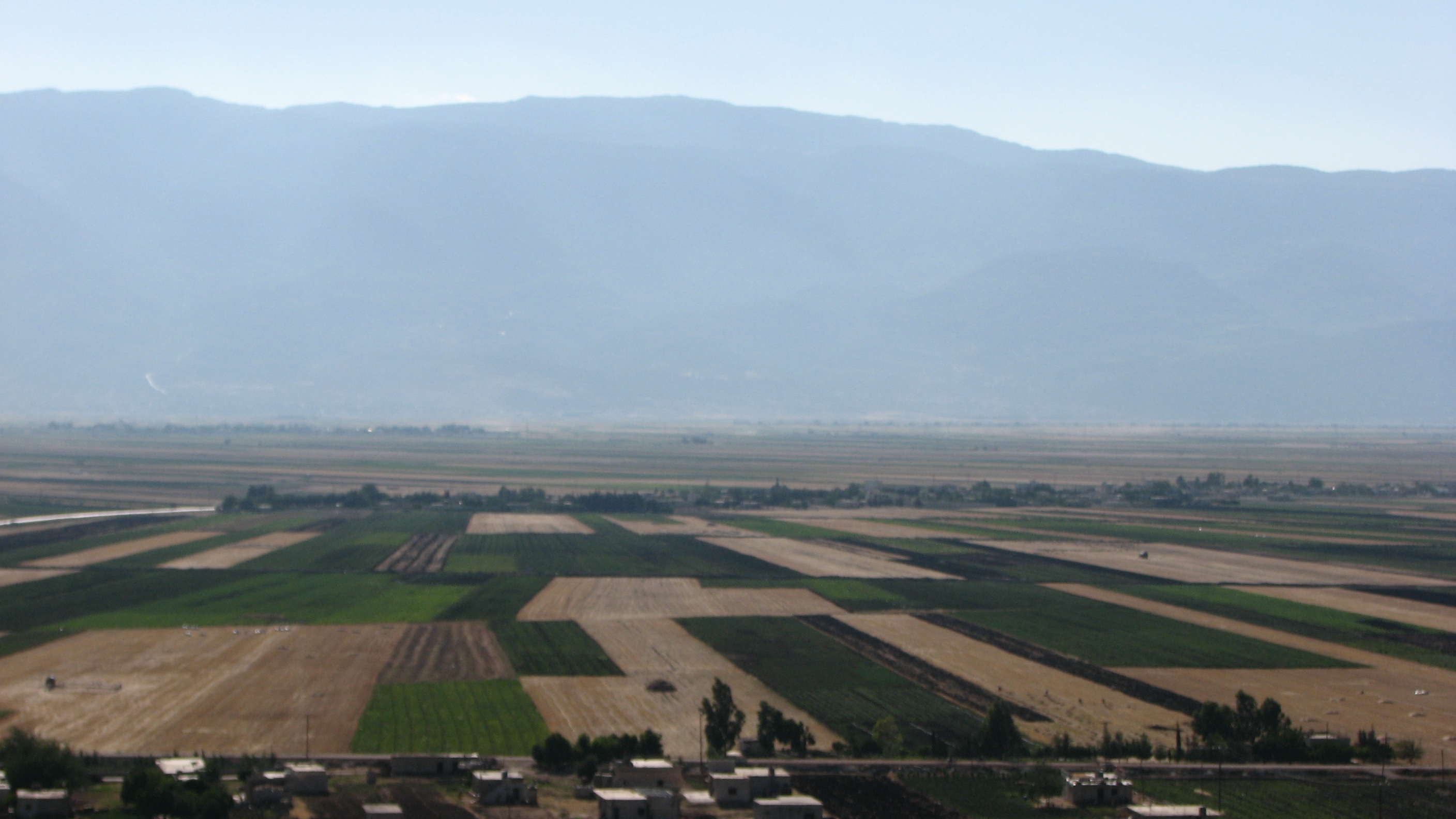
What a visitor sees in Apamea today is a small traces of a once great city mostly dominated by the Byzantines.   Two major earthquakes struck back in 1157  and 1170 A.D. and have left the city to the ruin it is today.  The city now consists of smaller and more crumbled structures as well as many tall and noble fluted columns, frescoes inside the museum and entry ways along the main Cardo Maximus.

A visitor can easily imagine what Apamea once looked like because there are many structures still standing tall.  There hasn’t been any major building in the area so even though it’s quiet there today you can still look across the valley and see why this beautiful place was always being fought over.

Orontes Valley Ancient Apamea Syria

How to get there and when to go

Easiest way to get to Apamea is by hiring a car from Hama and include some other sites like Al Basa and Sejilla and the Beehives.  I suggest an early start not only because it takes some time to get from one to the next but they do close around sunset.  This particular day was beautiful and clear and we started out with the beehives, moved on to the dead cities of Al Basa and Sejilla (we must made it before the one man security force decided to close around 3pm) and got here at Apamea around 5:00pm.  A perfect time in June for pictures in terms of lighting and the fact that we pretty much had it to ourselves.

Need a break from the long winter..why not go to Tulum?

This slideshow requires JavaScript.

Why Tulum and not an all-inclusive resort with more food and drink then you can handle?

Tulum is nothing like its spring break neighbor Cancun and its mega resort filled beaches of Playa del Carmen who lie just north in the Mayan Riviera coast of Mexico.  Mexico is getting it’s butt kicked tourism wise by the actions unruly public officials and drug cartels of the northern and central regions. Basically, stories like ones related to crime, murder and drugs sell papers to the press is having a field day.

Those pesky drug cartels and corrupt government officials

Well, Tulum is about the distance from San Francisco to Boston from where the real problems, however big or small they actually are, so it’s pretty safe.  Unfortunately, many would be travelers haven’t taken this huge distance into account and have stayed away as they are reporting a huge slump in tourism this year in Mexico.

Fortunate for me because I tend to avoid areas which get inundated with tour buses and the large drone like groups of people who funnel in and out of must see sites like Chichen Itza and the ruins at Tulum to name a couple.  I had been one of those day trippers some 15 years ago and had no intension in revisiting the area but did remember that it was very beautiful and most importantly warm.  I decided to take advantage of the bad situation, find a deal on airfare and hotel and take a break from the cold Northeast.

Do I stay on the Beach or in town?

When looking for a place on the Mayan Riviera and particularly in Tulum,  there is a huge savings if you stay off the beach.   But,  you have to ask yourself,  “Why I’m I going?  Is it for the ruins or the beach or both?”  For me it was both but if I had more time and less money the hotels in the center of Tulum would have been just fine.  This one looked good online and it’s called the TeTotum.  They have a small pool on the roof and it looked clean and kind of funky.  Then I found a place that was right on the water, was actually a little less because they were offering their low season rate (deal!) on the cabana due to low numbers and we had friends who had stayed there a few months prior.  It’s called La Via Laktea or The Milky Way.

Of course I obsessed over the reviews of those two and others near them with comparable prices.  I found that the beach is far south is the sandiest and on the edge of the Sian Ka’an Biological Reserve.  This means possible sea turtle and bird sittings and option to do a day kayak trip through the park.  My husband and I were lazy and passed but it was nice to have the option. Other resorts on the water were closer to the town center and cheaper for a reason.  They had very little beach. Not close to the vision of myself and my husband taking long walks on soft warm white sandy shore.   Cutting my feet up while walking on volcanic rocks and trying to find some was not in that vision.

I couldn’t have imagined a more relaxing place then this 5 kilometer beach at the tip of Tulum.  My husband and I spent four days seeing Mayan ruins, swimming in the blue water as we were looked over by a very demanding and cute yellow lab and his shy or just introverted Chow sidekick.  We never got their names but it was your typical transient relationship.  I hope to see them again soon.

There are very few complaints of the trip as a whole.  It was a bit chilly  and it did rain on the first day, but it all worked out.  It was 58F at night and 75F during the day…but in NYC it was 15F at night and 25F (brrr) during the day mixed with snow.  It’s understandable…I like to think that the Rain God Chaak was just doing his job and giving the area much needed rain for spring crops.

Short summary:

Where to stay on the Beach: La Via Laktea 9.5 Kilometer on the beach road south.  The road to Sian Ka’an is 10 kilometers long so just about there.  Expect to go over about 12 speed bumps before you see in on the left or beach side.

Where to eat at on the beach least one night or more: La Slowteria (review) La Slowteria (Facebook) about the 5 or 6 kilo mark on the Tulum Beach Road…look for the signs since you can’t go too fast here anyways.

A must try: Cocos Frios or cold coconuts sold at stands along highway.  Just look for signs along the way from Tulum to Coba.

A visit to Chac the Rain God @ Chichen Itza

Don’t go to Chichen Itza…you can’t walk up the Pyramid anymore…it’s crowded with locals selling junk…it’s hot and there’s no cover…blah blah blah. Of course I ignored all of that and joined the masses in a pilgrimage to the ruins of this member of both UNESCO and new member of the 2007 New Seven Wonders of the World group.

This slideshow requires JavaScript.

Unfortunately it’s not all rainbows and unicorns for this site and any others as individual members struggle to manage the sudden popularity of the location. The motivation for most who want to be on such lists is not just for recognition but the gold at the end of the rainbow. It’s money first, then comes physical impact and unanticipated events like accident injuries and death, and then what they need to close off to protect both visitors and physical structures afterwards.

The huge increase in money flow, via grants and admission prices, does help preserve and rebuild. The peripheral things like pollution and change in the landscape (like increase surrounding infrastructure) will do a lot of damage to an area that has remained untouched in centuries. So basically, being on these lists can also be counter productive if the site is poorly managed.

Chichen-Itza popularity has made it a “must see” for large groups for passengers needing to take a break from slot machines and work off calories inhaled from all you can eat buffet. The decision to close the stairway of the main Pyramid or El Castillo’s became final in March 2006 after an 80-year-old free style cruising woman from San Diego tragically fell to her death on January 4, 2006. Many who travelled afterwards were disappointed and surprised that the officials would do something so extreme and close it off to everyone, but these things and others happen when the masses arrive with their check lists.

The day I decided to check out the treasures of Chichen Itza was not a typical or ideal day weather-wise to see the sights. There must have been a goat sacrificed to the Rain God Chac the day before because it was a little messy but still walkable. The forecast for the day called for light rain and clouds. This lengthen my window to check out the ruins since I didn’t have to worry as much about sun exposure. I’m a bit on the pale side which is expected from someone whose been living in the cold winter shadows of the Northeast. The weather seemed to keep the visitor numbers down, so capturing the sites on film or SD card was not difficult. Disappoint was only felt by the numerous souvenir totting vendors. All the sudden everything was a dollar. Vendors clamored to get whatever peso they could get from the brave garbage bag covered gringos. Good for me and bad for them as they tried to keep the goods dry and looking like new after each downpour.

The crowds seemed to be mostly traveling in packs so taking pictures only involved having to place myself strategically in-between groups. The site was peaceful and all that could be heard were the sounds of an approaching downpours and various vendors displaying their ability to make jaguar sounds with some sort of wooden whistle. Probably costs a dollar for one. I feel for the parent who was pestered into buying one for their child whose fast becoming bored and missing their Ipad, and for those within ear shot of that family back at the ship/resort.

Chichen Itza is well worth the trip especially when you combine it with some R&R on the beach in Tulum. The area is very safe since the Yucatan providence is one of the wealthiest in Mexico. Another attractive quality Mexico has right now is that the USD seems to get you far. Don’t mind the media who has seemed to make other travelers abandon their plans because of the increase of violent crime . It’s always best to just read up on travel advisories before booking, use common sense (Luna Blue’s article on travel to Playa del Carmen) and be travel savvy. There’s a reason military trucks with machine guns mounted on them all over the roads. They don’t expect to use them but they do provide the feeling of being safe from the scary unknown. It’s no different to what I see in Penn Station or Grand Central on any given day since September 2001. Worse things have happened here in the recent past and people aren’t staying away from NYC.

Flowers are out along Park Ave NYC

38 rose blossoms crawling with insects bring an early spring to Park Ave NYC thanks to the Public Art fund and artist Will Ryman.

This slideshow requires JavaScript.

The towering pink and red roses adored with crawling bug sculptures stand 3′-22 feet tall along the wintry grey portion of Park Ave. between 57th and 67th Streets. The roses buds themselves weigh up to 2500 lbs. Community board #8 members raised concerns with the possible hazard they could be to passers-by but artist Ryman and his business partner Konstantin Bojanov.  All was sorted out and the sculptures were approved.

The irony in all of this is that the sculptures were scheduled to be assembled in January this year.  The same time a blizzard descended on the five boroughs whose high winds left man without power, streets that were almost.  The sculptures were still installed, safely secured and put the test right away.  They are still there and no reports of them suffering any damage despite all the storms they have had to endure.

You don’t have to wait for warmer temps to see flowers in bloom in NYC.  These public art arrangements will be on display through May 31, 2011 and they will be there to ring in the new spring flower season.