Top 5 Reasons to get Travel Insurance

When planning a trip  the usual things that go through a person’s mind are the exciting things they will see and how much fun they are going to have.  It’s not surprising that many will purposely avoid thinking of the bad things such as what happens if I l break a limp, get food poisoning or worse.  It is pretty obvious why a traveler only is thinking about the positive and not the negative. It’s their vacation and a well deserved break from the everyday stresses of life.  Having health insurance is just another thing they need to do.  Having the correct coverage can only make the trip much more enjoyable.  Here is simple list of reasons why a traveler needs a back up plan if something goes wrong on a trip.
1.  That trip was expensive

There are no guarantees for what is going to happen in the future.  Floods could have washed away the railroad tracks and/or roads that lead to your destination as we saw with Machu Picchu this past month or a military coup could have erupted in the area you intended on traveling through.  These and many other things can temporary postpone or cancel the trip entirely.  The correct coverage will most likely reimburse the traveler fully or partly for tickets, accommodation and all related expenses in some way or form depending on what is bought.  There are chances that the agencies you are dealing with whether it be an airline, travel agent or the like will work with you if something was their fault, but don’t count on it being easy or guarenteed.
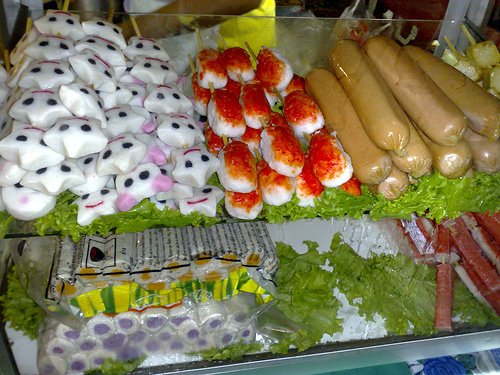
2.   The exotic food was too good to resist

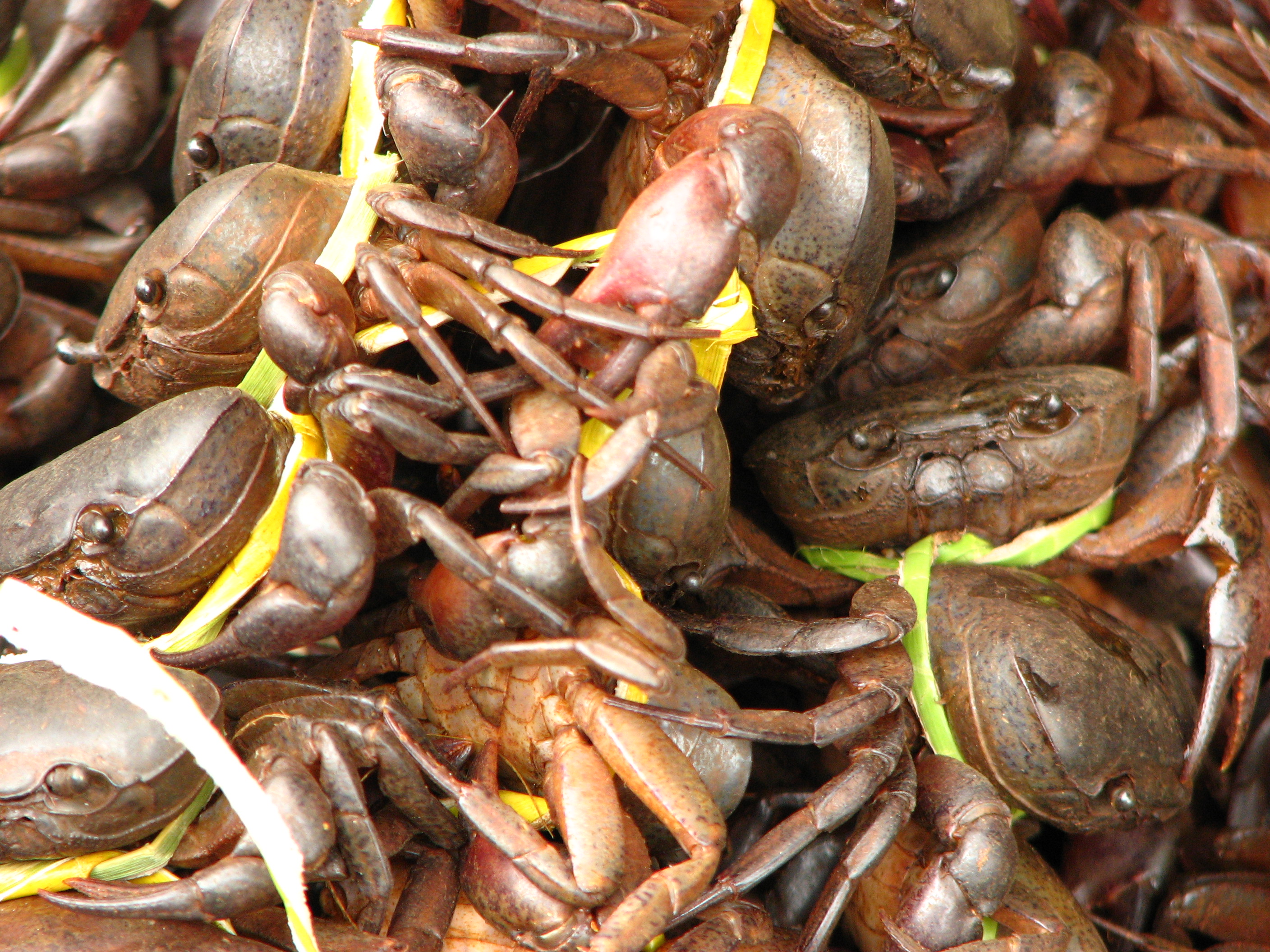
Many travelers suffer from the common stomach aliments while traveling since part of experiencing a new place is sampling local cuisine.  The locals usually have natural immunities to parasites and other things found in locally produced food.  The traveler, no matter how strong of a stomach they think they have, isn’t as fortunate.  The trip to the doctor for a sick traveler is not uncommon.  Some countries are easier on the wallet then others but it’s nice to know that a traveler will just need to figure out how to get treated and not worry about paying for the treatment at the end.
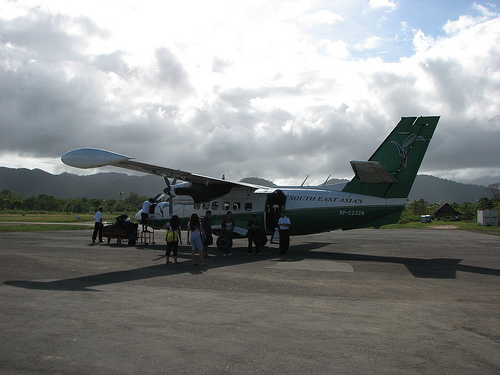
3.  Missed connections…what..no flight until tomorrow?

Not all planes, trains, buses and taxis the traveler uses along the way will be prompt.  Countries all have their own interpretation of time and schedules.  Those interpretations can cause travel delays which may leave a traveler stranded.  Many travel insurance plans have coverage for  such travel delays and interruptions.  This coverage pays for certain extra transportation and accommodation expenses for a trip interruption that is generally after 6 hours or more.  This is great if the airline or other transport company decides that it’s not going to do anything for you.  It is also nice to know that you may not have to sleep in the waiting area but instead in a private room nearby.

4.  If something REALLY bad happens…

It may seem over the top to mention them but bad things can happen anywhere.  Travelers go and do things in foreign places assuming that they will not encounter any danger along the way.  It’s all a part of the adventure.  They tend to forget that safety measures one country takes to keep people “safe from doing harm to themselves” are different or non-existent in other countries.  This is the reason why there are added benefits and higher premiums for those participating in dangerous activities such as scuba diving and down-hill skiing.  There are more general add-on categories of coverage such as how much the policy will reimburse or cover.  Some of these include the cost of  bring a family member to the traveler in the event they are transported to a hospital or other facility due to an injury for more than several days, medevac services for when the traveler gets into some hairy situations such as being trapped on a mountain or a helicopter rescue  is necessary along with taking the victim to an adequate hospital facility.  Hopefully the traveler will be safe and travel with some commonsense when visiting a foreign land. These pre-paid benefits can give them and those that care about them piece of mind while away.

5.  I lost my passport/ticket

A traveler has so much to keep track of and sometimes these important things are M.I.A. or worse yet… stolen. The passport or tickets are probably two of the most valuable and hard to replace items at traveler has on them.  If they disappear, then it’s good to know that your travel insurance company  will be a phone call away and that prepaid coverage does come in handy.  There should be a back up photocopy of all important documents stowed away safely in your money belt and back at home with a reliable person for such emergencies.  This along with the insurance company’s help can just make the process a less bumpy one when on the road.

Anything can happen along the way.  More than likely they will be all good things along they way.  The trip insurance is never a bad investment even if you don’t use it along the way.  It’s just gives you many less things to worry about and more time to spend enjoying your trip.

Each policy and companies providing those policies are different.  It is important to find one that suits your needs and provides coverage for things that could happen on this particular trip.  Most importantly, read the fine print, enjoy the trip and don’t worried because you’re covered.

I find that this website is a very good start in finding the plan that works for you.  It has a helpful chart comparing plans to one another.

Insure My Trip

Here’s another good article on msnbc.com about travel insurance and a blog post by Airwatchdog.com showing a Airline snafu/travel insurance chart.  You can never have enough information.  Good luck.

What does a girl bring?

Women just seem to need more stuff in life.  As this is usually the case, but when traveling we usually need just a little more than the male traveler.  For some, their daily routine is usually filled with make-up, rehydrating creams, a closet full of clothes.  This routine will have to quickly change since  it’s just not practical to live this way while on the road.  The purpose of this is to not tell any traveler what to take but to give an idea of what works for someone who has gone on a few long trips.  Please use this as a guide since what is in a travel bag is what will be the most useful and will make the traveler the most comfortable along the way.

If you need a guide to what to bring here are a few suggestions on where to start.  I have put together a list that I have devised after years of traveling to many parts of the world.  Yours should contain more or even less of what I usually bring on a backpacking type of trip which can take from a month to a year or more.

2 long sleeve Caprilene Shorts (anything in medium to dark color and try for neutral shades allowing them to match things better)

2 short sleeve Caprilene Shorts (same color scheme)

1 Pair of Nylon pants (Usually the ones which converted to shorts even though I never have done this)

1 Ankle length skirt (light weight material and good for overnight trips and travel to conservative/religious areas where women don’t wear pants)

3 pairs of fast drying socks medium weight and at least over the ankles in length

5 pairs of underwear (Caprilene in these as well)

1 lightweight jacket (Fleece since this can double as a pillow)

1 waterproof shell with hood (as compact as possible)

Bathing suit (make sure the suit fits well and resist strong waves and/ or currents)

1 par of medium weight long underwear bottoms(if needed)

1 scarf (neutral and medium in color and weight;  good to cover head/shoulders at religious/conservative sites)

1 pair of flip-flops (double for the shower and a break from the one pair of shoes)

1 quick dry towel or sarong or both (depends if you want it to double as a towel or scarf)

What to consider not leaving behind

Women travelers have many more things than men to consider when traveling to many parts of the world.  What you choose to wear will show how much attention you get by the locals you meet along the way.  It is always good to figure out how to find clothing and accessories you and others around you will be comfortable with.  You are a guest in another persons country and respect of local cultures is a very important thing.

It’s usually best to keep as much of your body covered. Shirts and pants (skirts as well) need to cover you from wrist to ankle.  It is also good to wear a hat as well.  Not only will these things keep you protected from the suns rays and the elements but they will protect you from stares and hisses of those showing disgust.  This is sometimes a good time to pick up some new clothes. It is best to buy your clothes locally.  Not only will it show respect for locals but help you blend in with your surroundings.  A pushy street vendor will try for the easier target wearing a Abercrombie t-shirt and baseball cap and not yourself.

Whether married or not it’s best to seem so.  This doesn’t at all mean borrow your grandmother’s diamond for the trip but a cheap comfortable silver band will do.  Men will less likely as for your hand in marriage and will respect that you taken.  There are no guarantees that this will work all the time but you can only hope.  In general, people you meet along the way will be curious to why you aren’t married if this is the case with you, and will try to solve the mystery by making it the topic of conversation.  It’s easy to just say you are if you aren’t and hope that it doesn’t procede inquiring about how many children you two have.   It can get tricky but try not to take offense to basic curiosity .  It is best to try to move the conversation to how nice the weather is or where’s the best place to eat in town.  Remember to avoid religion and politics.

Toiletries are not found everywhere.  Yes, most of europe has stores stock their shelves with deodorant, feminine products and candy bars.  This isn’t the case in much of the world.  Try buying a solid stick of deodorant in areas that only use cologne to mask body odors and tampons where women have only been exposed to feminine pads.  These are small items that don’t take up much room.  Who wants to waste time looking for these things when you could be exploring and seeing the sites.

Toilet paper or tissues are also one of those things us women need more of.  Many countries do sell it but it’s good to have a stash of your own.  Be prepared for some interesting toilet encounters.  This is went you find out how to deal with a messy situation.

Medications are not found everywhere and most likely if you are taking something like birth control pills or other daily meds bringing more than enough is a good idea.  Also, see where you can re-supply along the way.  The decision is easier.  There is one less thing to think about when continuing on.  It would stink that you have to go back home just because of poor planning.

Your teddybear This could be literally but figuratively it means bring whatever it is you need to have with you that will give you some comfort on those days where you are feeling lonely, homesick, lost (in a bad way) or just plain sick and need to take it easy for a couple of days in a strange land.

What to bring on a trip will come down to what you are comfortable taking and leaving behind.  Every trip and destination is different and every traveler is different.  There is a great travel quote by Susan Heller which sums it up for me the best.

“When preparing to travel, lay out all your clothes and all your money. Then take half the clothes and twice the money.”

Happy packing 🙂

Top 5 things an Adventure Travel Girl can’t go without

There are so many things a girl can do without when it comes to adventure traveling.  This list is long and it’s better to focus on the top 5 most important things bring along when going on an adventure trip.  In adventure I’m talking about one where you will have to carry your bag more than a few yards from the taxi to the hotel.  This will be a trip where you will maybe  find those things  you wish you had brought at your destination but if not oh well.

1.  Clothing made of synthetic material

Clothing that is not made of cotton but a material which keeps you cool or warm but will dry fast, not wrinkle and be compact.  The clothing should  have a neutral shade and be able to mix and match with other pieces.  Who cares if you are wearing the same pants and/or shirt two or more days in a row.  It’s good if  you are able to wash them every night and know that they will be dry by morning.  Look at it this way.  This will free up some space in your bag and give you an excuse to buy something locally. Besides, it makes a great souvenir.

2. One pair of shoes

This is not counting the light pair of Havaianas you have as well.  It is best to invest in a comfortable pair of nice looking travel shoes made of a durable material such as leather.  There are some great shoes that look good and function as a low-level hiking shoe.  Even if you are not going to hike up a mountain there is a good chance you will be walking a lot.  Another thing,  make sure this isn’t the shoes maiden voyage.  The shoes need to get worn enough to break them in and to make sure they will be suitable for the journey.

3.  A Good Hat

A hat has many functions while traveling.  It will block out harmful sun rays and heat of the sun, cover your head when it’s raining, cover your head when you are visiting a holy site, makes it easy to hide under when visiting countries where as a woman you don’t want to make eye contact, and it hides the fact that you are having a bad hair day.  The hat should have a wide rim on it so it can protect you and be also made of a breathable material.  It will get dirty so wash it along with those fast drying pants when needed.

4.  Cell phone with a good camera

Having a cell phone that you can slip in your pocket and use with a local SIM card can come in very handy.  You may have packed away a camera that takes better pictures but it’s handy to have one that fits discretely in your pocket for some quick shots of food or places where you may want to leave the more expensive camera back at the hotel in a locked safe.  A traveler can find that having a local cell phone number is convenient with booking a hotel that doesn’t have a website or to use in emergency situations.  The rates vary from country to country but they usually are reasonable.  A cell that is bluetooth enabled is key.  If there is a strong or strong enough wi-fi signal you can set up an account with Vonage or Skype and keep in touch with folks back home.

5.  Good bag with TSA approved locks

Your bag is one of the best investments you will make.  It’s worth the time and money investment.  I prefer one that is light in weight, has a protective cover which extends over the bag and locks, has strong zippers that can secure easily and not allow any gaps, made of strong material that resists tearing especially by a knife or other sharp edge, and fits well to your body type.  Some other helpful features are a bottle holder or hook for one, a small inside pocket in the inside lining which can fit dirty laundry, and be waterproof.

This list is short and is very subjective since everyone has their own priorities on what they need to take to make them feel comfortable in a foreign land.  These things are what I have narrowed my list down to over the years.  I used to bring much more when I started to travel but over the trips I have found that many things are best left at home.  It’s a life lesson to find out what you as a person really need to have to live your life.  It’s less than you would think.

She’s traveling to the Middle East

What a girl packs away in her travel bag will all depend on where she’s planning to go.  This case is the Middle East.   This being said, taking great care in how you dress and act while visiting. What a woman traveler wears and how she behaves will show how locals in turn treat her.  A woman well versed  in local social etiquette to avoid the long stares and unwarranted cat calls and hisses that go along being inconsiderate.

Clothing

Keep in mind that the less skin showing the better.   The year-round weather in most Middle Eastern areas usually no lower than 50F and can get up to an uncomfortable 115F (one considering the humidity levels which can make it feel much warmer).  Staying cool in clothing that covers you from head to toe will be challenging.

In these modern times, it is much easier to find women’s clothing that is both comfortable and covers most of your body.  The designs are getting better and the fabric is becoming more technologically advanced.  Caprilene is one of the greatest things available these days.  The designers are also making clothing out of these lighter and water whisking recycled polyester.  It’s a green product as well.  If you would like to really blend in to the local culture check out a tailor or local clothing market and buy a Hijab while you are visiting.  People will appreciate the gesture and it may lead to more interaction with the locals.

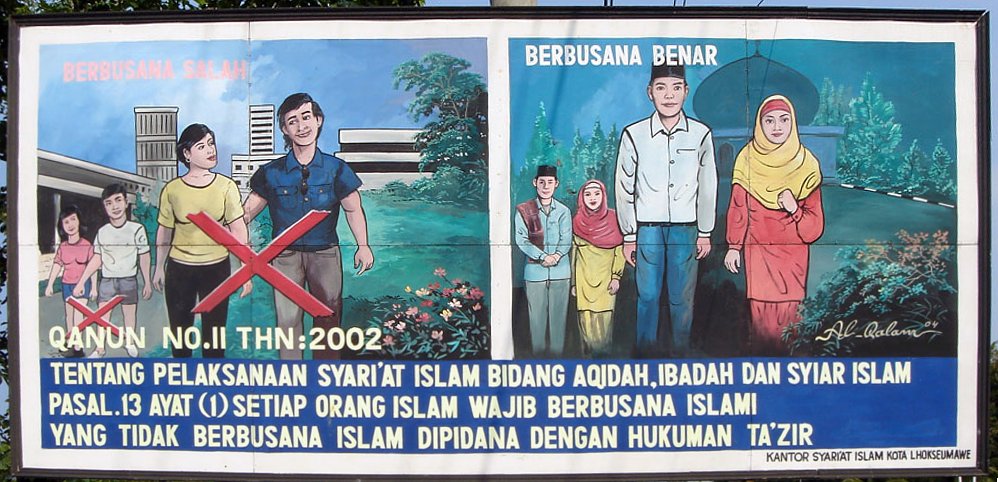
The women of Islam are usually required to dress in a hijab by law of the state and/or by their family.  The hajib has been a topic of discussion in many countries and has often lead to heated debates about when women should wear them, if they should banned, if the law requires women to wear them and what are they acceptable styles.  Women travelers need to have an understanding of local social codes.  This knowledge will help to avoid disrespecting the local population.  It is a very highly politicized  subject which requires a traveler, male or female, to educate themselves and be aware of current events popping up which surround the very sensitive subject.

Social Behavior

It is well-known that women in a moderate to strict Muslim society must follow the rules of Islāmic laws or face the consequences.  It is important to remember that we travelers are just visiting and must respect local codes of conduct.

On the other side, we are like embassadors from our own countries.  The way we behave in public while visiting may have a long reached effect on how locals view our country.  We should want to make the best impression since most of the time the country’s media and the movies and television shows exported to the country are the only exposure they have to a country like the United States.  All media takes an extreme perspective on a culture or group of people.  This being said, act on your best behavior.

This means, act on the side of caution.  It is best to be self aware and not get lost in and forget what surrounds you.  We all have those moments were we start getting comfortable with our surrounds.  So much, that we behave as if we are back in our own country.  Stay focused and always remember where you are and concentrate on what surrounds you.  This will also keep you out of harms way.

Here is more  information on gender roles in different societies.

To pack or not to pack?

So it’s about a week or so until the flight is taking off to the other side of the earth and it’s time to start packing.  What is in your bag will be the same amount for a trip that’s a month or a year in general terms.  This is of course considering that you will be finding a laundry to freshen up the travel garments along the way.  Don’t count on it.  Save your money since most places will be doing what you would do and that’s washing by hand and in a tub of water with a little soap.  As Rick Steves says, “Pack light and pack smart.”

The basic clothing

Best course of action is to lay out what you have to take with you.  This will all depend on the climate or types of climates you will be trudging through.  The basics first will be undergarments (underwear and socks)  and then bottoms, tops, jacket (preferably one multi-functioning, light in weight, and water proof or resistant), shoes (also ideally one pair that is also multi-functioning)  and small cosmetics bag (most in the 2 ounce size if possible).  Now, put everything out and  see if they will fit your minimum standard for comfort.  The choices of tops and bottoms  (I have had luck with Patagonia gear) ideally will be ones that are also made of fast drying materials and are easily washable.  Personally, my laundry has many times been done in the sink or wash basin supplied by my hostel.  Don’t expect most things made of cotton to dry overnight unless you are in the middle of the Sahara in the summer.

The bag and it’s peripherals

It’s now time to start packing.  I’m assuming you have taken the time to find the best pack.   I like the ones that have good zipper with a proper place to attach a small lock on(TSA approved of course), are light in weight, and have a good hip belt for support.  Forget the ones with the wheels and the cool colors.  They end up being bulky, heavy and who wants to wheel around a suitcase through a dirty street and then pick it up after being covered in filth.  Besides, the backpack allows you to have your hands free.

Look for something that’s feels comfortable and the correct size.  This is an investment so do your research by reading reviews and find out which type and brand of pack is worth the money.  I suggest a company that just specialized in travel gear like my favorite:  Eagle Creek.  It suits me but like everything, find what works for you. A 30 liter size is an ideal size to start looking at.  It will likely be small enough to carry on a plane and be universally acceptable when using public buses and vans.  Less like to make the locals annoyed or agree when they will be using the same space to put their own goods into.  Also, good to consider one with a built-in cover for when it rains or you need to put it on top of a van or bus.  For further help,  consult the folks at stores like REI and Patagonia are also experienced travelers.

Next is consider using compression stuff sacks made of sturdy nylon.  I usually take two medium-sized ones using one for clean and one for dirty laundry.  The clothes and other basics can now be placed in the bag.  Let’s see how much room you have left, and is it time to put more or less in?  This is a good time to try the pack on and see how comfortable you are with the weight.  If you are comfortable with the weight then add more to the pack.  Keep in mind that you may want to leave room for stuff you want to pick up along the way and consider if you can live without out it.  There is no need for it weighing you down if you end up using the items a couple of times if not at all.

All the rest

The items in your bag and what you decide to take on your journey is up to you.  Many travelers debate on what is and what is not acceptable. Each traveler is different and each trip is different.   It is just important to take the time and consider what works for you.  Things to keep in mind are the following:

Do you need it?

Can I get this along the way and if so, will it be extremely expensive or hard to find or the opposite?

Do I want to carry this much stuff and if not what can I get rid of?

Are my clothing choices practical?

Be aware that the first trip of this sort will be a learning experience and you will have to learn as you go.  Be able to just let it go.  Do the best you can and hope that you don’t forget anything.  Even if you do, you will probably find it along the way and there’s always fed-ex and DHL.  This is the beginning of the simple life and hopefully you will discover how little we really need to survive.


Now that you decided to travel….

So now you have decided to take that week, month, year or unlimited time off to travel, now it’s time to figure out where to go from here.  Planning and preparing for any trip can take a while to do thoroughly so start a few months ahead and pace yourself.  The list can seem endless. Basically, organization is the key to a great trip.  Don’t get too bogged down with the details.  This part can easily be left to a travel expert if you are not up for the job.

If you do decide to go it alone and use little to no travel services for your trip here are some things to consider while planning. The following are some general questions and short explanations that need to be considered while planning for the trip.  The best way to answer them is not exactly in the order listed.  It’s more than likely that you will go back and revisit and edit the answers though the process.   “Where to travel to?”.  Next,  “When will the trip take place?”.  Thirdly, “How much time is available?”.  Lastly, “What’s my budget?”.  There are many more things that a traveler needs to consider but these are very basic things to keep in mind.  These questions may take a while to answer and don’t be surprised if you end up going back and revising one after moving on to the next.   Please  don’t get too frustrated while planning your trip.  The more kinks which worked out before the trip the less surprises or unexpected roadblocks will surface will traveling.

Where?

This is the most obvious thing a person needs to decide on for the trip. If the destination isn’t obvious then do something like put a wish list of destinations together and break it down from there.  Next, take that list in put them in order of importance to you and your partner(s) if you decide to go with others.  From there, figure out when the ideal time of year to travel.  For example, you probably don’t want to go to the Philippines during monsoon season unless you don’t mind the rain and it’s just when you can go.   At least you don’t have to deal with as much crowds and can save a few pesos.  Is there a very important to know when public holidays are going on in the region you plan to visit.  For example, if you plan on taking the train in India while visiting you may not want to go during Dawali.  Dawali is a wonderful holiday  and is great one to witness in person.  This is a  peak time where travel costs will be premium,  so if you really want to go just figure it into your budget.  The best place to find out is the official tourism website of the region or country.  Most countries these days have them and if not, try a google search.

When will the trip take place?

The time to travel usually determined by your work policies, when your travel partner(s) can go or when the best time to go to your destination is.  Figuring out when to travel is difficult for some to figure out.  Best thing is to go back to that list of destinations and see when is the ideal time to visit according to your preference (the weather, holidays, and festivals are some things to consider)

How much time is available?

The amount of time can also be the main determining point on where and when to travel.  Time could have already be the underlying determinate in deciding on where and when to go.  You only have one week to travel so this limits your choices to where and when you can go.  If you have access to a private jet then it wouldn’t be so hard but most budget travelers are at the mercy of commercial planes, trains and bus travel.  You also need to take account travel time to destination and how much you want to actually be experiencing the destination.  Most travelers want the most experience for the least amount of time in getting in and out of the place from home.  A traveler going to far out places will  likely need to make many transfers, long bus rides from the airport and the time suck of the unknown (usually transport delays, cancellations and the like)  Basically, if you only have a week then usually going on safari in Uganda is not the best choice.  The best thing to do is decide on a place that will give you the most time for your money.  South Africa is a great place to see wild animals since some great sites are only a few hours away from major cities.

What is the trip budget?

This could be the first or last thing considered when planning.  The budget no matter how little or big it is needs to be made before traveling.  A traveler should decide the costs of traveling to a specific destination for many reasons. No one likes to get ripped off while traveling.  Know how much a hotel in Cairo will cost on average before you get there.  Determine your travel options and find out if it’s cheaper to travel overland opposed to taking a plane.  Do as much research on the costs of transport, food and lounging before heading out.  This way you are not caught off guard when you guessed wrong.   Wasting money is of course stressful and can ruin an otherwise great experience at the destination.

As seen, planning a trip is work.  The more work put into planning a trip the chances of unpleasant surprises.  The planning process does become easier.  The trip may have some unexpected incidents but these will make you a better traveler and open your mind up to new adventures.

No better time to travel then now

It seems like travel has increasingly become harder to do.  Visa and airline fees, travel alerts, and tension are on the rise and the outlook of them going back to normal levels looks dim.  Since there is nothing a traveler can do about these obstacles then one can either stay home or go on and plan that trip.  The planning and trip tools continue to be more useful as time goes on. The most useful tool now come in electronic form and are usually  free for anyone to use on the internet.  This includes guidebooks, navigational tools, and blogs written by travelers like yourself.

USD is still strong around the globe.  There are some countries that are beginning to tie their currency to the Euro but USD is still holding it’s own.   China, most of Southeast Asia, Argentina, Mexico to name a few, all have great exchange rates now.  The euro and BP have also come down a bit but it’s still not that great.  Tourism is also down in most popular destinations in Western Europe and the UK, so keep your eye out for promotional packages if that’s your desired destination.

The days are gone where you actually need to have a hard copy of a travel guide.  Not only are they heavy but from the time they are written, edited and gone to press the information could be years old.  The global economy has brought the internet to most places in the world.  Travelers are more often then not traveling with a laptop or smaller less fragile smartphones.  The travel guide is still useful for maps and very basic information but the amount of free online resources in the form of blogs, travel websites, hotel booking online tools and subscription services make them unnecessary and often the information is incorrect.

One of the most obvious benefits or shortfalls of the global economy is that the world is it’s not just modernizing the developed world but the developing world.  For better or worse,  countries in the developing world are importing modern technologies which helps the local economies grow and heightens the standard of living for it’s people.  These developments can’t help but change landscape of the travel world.   The faster and more efficient means of transportation have replaced the slower and usually man powered vehicles of yesteryear.   The global economy has opened up the world to modern convenients and basically the developing world is doing just that…developing.

The good and the bad are unavoidable when a country opens up its doors to foreigners.  The best a traveler can do is research the local culture, appreciate it, be sensitive to it and respect it for what it is.  So start planning, grab your passport, laptop and reasonable sized backpack and go on that trip to your dream destination.  It’s never been a better time and what’s stopping you.